Insurance , Advertising , SEO
Business insurance. Local business connections. Free DealMaker readers.
St. Louis, Missouri

-
Amerishop Services | Store
Online Store and Business Directory
All Advertising Directories are a LEASE
Search this site
2039 results found with an empty search
- The Story of Our Founder: Part 1
From a broken home in Astoria to building a business empire across all 50 states : this is the remarkable journey of Randy S. Dinwiddie, the man behind Dependable Brokers and the driving force who earned the nickname "The DealMaker." The First Memory That Changed Everything Randy Dinwiddie's story doesn't start with silver spoons or family connections. It begins in Astoria, Oregon, with a memory that would shape everything that followed : chaos, tears, and a father carrying his youngest son away from a breaking point. Born into a household of six children, Randy's earliest recollection isn't of birthday parties or Christmas mornings. It's of his mother crying, her spirit worn paper-thin from the relentless demands of raising six kids in a broken home. His father rushed in, scooped up young Randy, and carried him from the room as she broke down completely. That was the last time he saw her clearly : her strength spent, her heart simply done. "That moment became my first lesson in survival," Randy recalls. "I didn't know it yet, but life was already teaching me that when everything falls apart, you still have to find a way forward." From that day on, Randy learned to depend on three things: faith, grit, and the quiet conviction that he could make something out of nothing. These weren't just childhood coping mechanisms : they became the foundation stones of a business philosophy that would eventually span the entire country. Finding Strength in the Missouri Hills After Astoria, Randy's father moved the family to central Missouri, near the Lake of the Ozarks. The rolling hills stretched deep and green, the air carried the scent of water and wood smoke, and everyone knew the value of working with their hands. Money was tight : tighter than tight. Randy's father worked when he could find it, and the family stretched every dollar until it squeaked in protest. But the Lake became Randy's real classroom, teaching him patience, rhythm, and the kind of resilience you can't learn from textbooks. When the family coffers ran dry, twelve-year-old Randy found work wherever he could: mowing lawns, cleaning boats, stacking wood. By his twelfth birthday, he already understood a fundamental truth that would drive his entire career : if you don't hustle, nobody else is going to hand you anything. "Hardship was steady company, but so was hope," Randy remembers. "I learned early that poverty doesn't define you : it refines you." These weren't just feel-good platitudes from a successful businessman looking back. They were survival lessons learned in real time by a kid who understood that his next meal might depend on his willingness to outwork everyone else. The Decision That Defined a Life As Randy grew older, home grew louder. Fights, frustration, and silence all shared the same cramped space. His parents were worn out from years of struggle, and the weight of it all fell increasingly on the children's shoulders. At fifteen, Randy made a decision that would define the rest of his life : he left. This wasn't a teenage tantrum or a dramatic storm-out. He simply walked away quietly, carrying a bag of clothes, a few dollars, and an unshakeable belief that peace had to exist somewhere outside those walls. The first nights were brutal. He slept on couches when he could find them, porches when he couldn't, and sometimes in cars. Hunger came and went like an unwelcome visitor, but loneliness took up permanent residence. Then, one evening while walking along a road near Barnett, Missouri, a woman pulled over. She looked at Randy, saw something in his face that spoke to her, and said simply, "You look hungry. Come eat." That meal changed everything. "I realized kindness is God's language," Randy says, "and that faith shows up in the form of strangers." It was a lesson he'd carry forward into every business relationship, every employee interaction, and every deal he'd make over the following decades. Faith Forged in Fire Out on his own with no safety net, Randy faced a choice that confronts every person who's been knocked down hard enough: bitterness or belief. He chose belief. Prayer became as essential as food. Sometimes he prayed for his next meal, sometimes for direction, and sometimes just for the strength to make it through another day without giving up entirely. Randy remembers praying for a man he met who'd lost everything. Weeks later, that same man tracked him down to share that things had turned around. "Kid, you've got something in you," the man told him. Randy didn't fully understand it then, but that "something" was his calling : the same faith that would carry him through every failure and every success that lay ahead. Those hard nights on the road built more than character : they built an unbreakable backbone. Randy's confidence didn't come from comfort or privilege. It came from the fire of necessity. The Education of a Entrepreneur Randy worked anywhere that would hire him: sweeping floors, hauling boxes, fixing whatever was broken. Every job taught him something new about the value of honest sweat and the satisfaction of earning your way forward. By his early twenties, Randy found himself deep in the collections and repossessions business, learning firsthand how systems collapsed and how people responded to extreme stress. It was here that he began developing a philosophy he'd later call "Trimming the Pyramid." The concept was elegantly simple: remove waste, empower people at the bottom, and hold leadership accountable at the top. It wasn't just a business model : it was survival thinking applied to organizations. "You can't lead from a swivel chair," Randy learned. "You lead by doing." This hands-on approach would become the signature of every company he'd eventually build, from his early collection agencies to the nationwide network of Dependable Brokers operating today. The Phoenix Office At twenty-five, Randy inherited a failing office that everyone else had written off. No morale, no structure, no hope. The previous management had given up, the staff was demoralized, and profits were a distant memory. But Randy had been written off before, too, and he knew something about rising from ashes. He rebuilt that office piece by piece, arriving early and staying late while refusing to accept excuses from himself or anyone else. Within months, they were profitable. People smiled again. The same staff that had been updating their resumes started believing in themselves and their work again. That turnaround taught Randy one of life's purest truths: "You can't teach hunger : you either have it or you don't." Building an Empire, One Deal at a Time In 1992, Randy founded Raven Financial Group, his first real company, handling collections and auto repossessions across Missouri. The business made money, but over time Randy realized he wanted to build rather than just collect. So in 2004, he launched Atlas Bail Bonds, helping families get their loved ones home during their darkest hours. In 2005, he added Deal Maker Publishing, providing local businesses with affordable advertising solutions that actually worked. Each new venture pushed Randy closer to his true purpose: turning problems into opportunities, not just for himself, but for everyone he could reach. By 2010, Randy founded Amerishop Mobile, combining marketing and technology to give small businesses the tools they needed to compete. In 2013, he launched Dependable Brokers Insurance Agency, offering life and annuity products with the same personal touch that had made all his previous ventures successful. Eventually, these companies united under the Amerishop Services LLC umbrella, operating in all 50 states and serving thousands of clients nationwide. How "The DealMaker" Was Born The nickname didn't come from a marketing meeting or a branding consultant. It came from Randy's clients themselves. Randy would sit down with shop owners, towing operators, and small-town entrepreneurs, working through numbers and possibilities until they found something fair for everyone involved. When the deal finally closed and both parties walked away satisfied, they'd smile and say, "You're the DealMaker." Soon, phone calls started coming in with people asking, "Is the DealMaker in?" That's when Randy realized it wasn't just a nickname : it was a promise. If he was in the room, the deal was getting done, and both sides would walk away stronger than when they started. "The DealMaker was born not from ego," Randy explains, "but from earned respect." This wasn't just about closing transactions. It was about creating relationships and opportunities that would last for years. It was about being dependable when dependability mattered most. The Power That Drives Everything Success came, but it was never easy. There were sleepless nights, cash-flow squeezes, and setbacks that would have broken lesser resolve. But persistence became Randy's secret weapon. Every obstacle became a blueprint for a better system. Every failure taught him something that the next victory would require. When competitors gave up, Randy re-strategized. When markets shifted, he adapted faster than anyone expected. "That's the DealMaker way," Randy says. "Don't quit : re-strategize." This philosophy would prove essential as Randy's companies expanded nationwide, eventually serving clients from coast to coast while maintaining the personal touch that made them successful in the first place. This is Part 1 of Randy Dinwiddie's remarkable journey from a homeless teenager in Missouri to the founder of a nationwide business empire. In Part 2, we'll explore how Randy built his modern companies, earned national recognition, and developed the systems that make Dependable Brokers the trusted name it is today. Written by Sarah Mitchell for Amerishop Services
- Arrowhead Lodge: A Lost Treasure of the Lake of the Ozarks
Miller County Museum By Randy Dinwiddie | Amerishop Services LLC – Lake Ozark, Missouri(Historic Missouri Landmarks Series) There's something magical about the stories that old buildings could tell if they had voices. At the Lake of the Ozarks, one of those stories belongs to the Arrowhead Lodge: a beloved landmark that stood as a testament to Missouri's golden age of family tourism for over seven decades. From 1935 to 2007, this handcrafted gem welcomed thousands of visitors who came seeking the simple pleasures of lake life: cool morning mists, the sound of water lapping against wooden docks, and evenings spent on wraparound porches watching fireflies dance over the water. The Birth of a Missouri Icon In 1935, when the Great Depression still cast its shadow over much of America, visionary builders broke ground on what would become one of Missouri's most cherished resort destinations. The Arrowhead Lodge wasn't just another hotel: it was a masterpiece of Ozark craftsmanship, built entirely from native materials that seemed to grow from the landscape itself. The lodge showcased the finest of regional artistry. Massive timbers hewn from Ozark forests formed the structural backbone, while locally quarried sandstone created walls that would stand the test of time. Inside, guests were greeted by a stunning great room anchored by an enormous stone fireplace that could easily accommodate a half-dozen people gathered around its warmth. Every piece of furniture told a story of local craftsmanship. Hickory chairs and tables, hand-built by Missouri woodworkers, filled the 125-seat restaurant and common areas. The wood-paneled walls gleamed with the rich patina that only genuine craftsmanship and decades of gentle care could create. With 41 guest rooms, the lodge struck the perfect balance between intimate charm and practical hospitality. Each room offered visitors a respite from city life, complete with views of the pristine lake that stretched beyond the horizon. Trial by Fire, Strength Through Rebuilding Like many great American stories, the Arrowhead Lodge's journey included both triumph and tragedy. In 1950, disaster struck when fire consumed the original structure. For many businesses, such devastation would have spelled the end. But the lodge's owners, Ed and Janet, possessed the same determination that had built Missouri from wilderness into statehood. Within months of the fire, construction crews were back at work. Stone by stone, timber by timber, they rebuilt the Arrowhead Lodge: not as a mere replacement, but as an even better version of the original vision. The new structure, completed in 1951, maintained all the rustic charm that had made the lodge famous while incorporating modern conveniences that would serve guests well into the future. This rebuilding effort represented more than construction: it was a statement of faith in the Lake of the Ozarks' future and a commitment to preserving the kind of authentic hospitality that made Missouri famous throughout the Midwest. The Golden Years of Ozark Hospitality The decades following the rebuild marked the Arrowhead Lodge's golden era. Families from across Missouri, Illinois, Kansas, and beyond made annual pilgrimages to the lake, often booking the same rooms year after year. Multi-generational traditions took root, with grandparents who had honeymooned at the lodge later bringing children and grandchildren for summer vacations. The lodge's restaurant became legendary for its Sunday dinners, featuring hearty Midwest fare prepared with care and served family-style. The massive stone fireplace served as a natural gathering point, where strangers became friends over shared stories and where children listened wide-eyed to tales of lake adventures. Outside, the lodge's famous porch swings became symbols of the unhurried pace that defined Ozark life. Guests could spend entire afternoons gently rocking while watching boats navigate the lake's pristine waters, or reading books while surrounded by the sounds of nature that city life had taught them to forget. The summers brought a special energy to the lodge. College students and local young people found employment in every department, from housekeeping to restaurant service to maintenance. These seasonal workers became part of the lodge's extended family, often returning summer after summer and forming lifelong friendships with both colleagues and regular guests. More Than a Hotel: A Community Hub What distinguished the Arrowhead Lodge from ordinary accommodations was its role as a genuine community gathering place. Local residents considered it a source of pride: a destination worthy of the lake's natural beauty and Missouri's reputation for warm hospitality. The lodge hosted wedding receptions, anniversary parties, and family reunions. Its restaurant drew not only hotel guests but also locals celebrating special occasions. During holiday weekends, the lodge's common areas buzzed with the happy chaos of multiple generations sharing meals, playing cards, and creating memories that would last lifetimes. Business travelers appreciated the lodge's professional amenities combined with its relaxed atmosphere. Unlike sterile chain hotels, the Arrowhead offered a uniquely Missouri experience that helped visitors understand why so many people chose to call the Lake of the Ozarks region home. The Changing Tide As the 1980s and 1990s brought dramatic changes to the Lake of the Ozarks tourism industry, the Arrowhead Lodge found itself caught between tradition and transformation. The lake that had once epitomized family-friendly, middle-class vacation destinations began evolving toward luxury tourism and high-end development. Million-dollar condominiums started replacing modest cabins. Corporate hotel chains built larger, more standardized facilities. The intimate, personal touch that had made places like the Arrowhead Lodge special began to seem quaint rather than desirable to a new generation of travelers seeking different amenities and experiences. Despite efforts to modernize and adapt, the lodge struggled to compete in this changing marketplace. The very qualities that had made it beloved: its handcrafted character, intimate scale, and emphasis on simple pleasures: now seemed out of step with contemporary tourism trends. The End of an Era In 2007, after 72 years of welcoming guests to the Lake of the Ozarks, the Arrowhead Lodge was demolished. The decision, while economically necessary, marked the end of an era not just for one building but for an entire approach to hospitality and tourism. For those who had spent countless summers at the lodge, its loss represented far more than the destruction of a building. It symbolized the passing of a time when travel was less about luxury amenities and more about authentic experiences, when vacation destinations grew organically from local culture rather than being imposed by corporate developers. The demolition cleared the way for modern development, but it also eliminated one of the last tangible connections to the Lake of the Ozarks' golden age of family tourism. A Legacy Written in Memory Today, the Arrowhead Lodge lives on in family photo albums, cherished memories, and the stories passed down through generations. Former guests still gather at lake reunions to share tales of their lodge experiences. Children who once caught fireflies on the lodge grounds now bring their own grandchildren to the lake, searching for ways to recreate those magical summer feelings. The lodge's legacy reminds us that true hospitality isn't about thread count or square footage: it's about creating spaces where people feel genuinely welcomed and where authentic connections can flourish. It's about understanding that sometimes the most valuable experiences are the simplest ones: a good meal shared with friends, a comfortable chair by a warm fire, and the timeless pleasure of watching sunset paint the water gold. The Arrowhead Lodge may be gone, but its spirit continues to influence how Missourians think about hospitality, community, and the importance of preserving spaces where people can connect with each other and with the natural beauty that makes the Show-Me State special. In our fast-paced, digital world, the memory of places like the Arrowhead Lodge serves as a gentle reminder that progress and tradition don't have to be enemies: and that some of life's greatest treasures are the ones that can never be replaced once they're lost. Historic Details: Location: Lake Ozark, Missouri Established: 1935 Destroyed by Fire: 1950 Rebuilt: 1951 Demolished: 2007 Legacy: A testament to Ozark craftsmanship and heartland hospitality Amerishop Services LLC is dedicated to preserving Missouri's business history and promoting local enterprises that embody our state's values of dependability, craftsmanship, and genuine hospitality. Contact Amerishop Services LLC: 📞 (314) 580-3455 🌐 DependableBrokers.com | Amerishop.biz Dependable Brokers Business Insurance - Protecting Missouri businesses with the same reliability our communities have always valued. Tags: #LakeOfTheOzarks #ArrowheadLodge #MissouriHistory #HistoricHotels #OzarkResorts #RusticAmerica #AmerishopServices #DependableBrokers
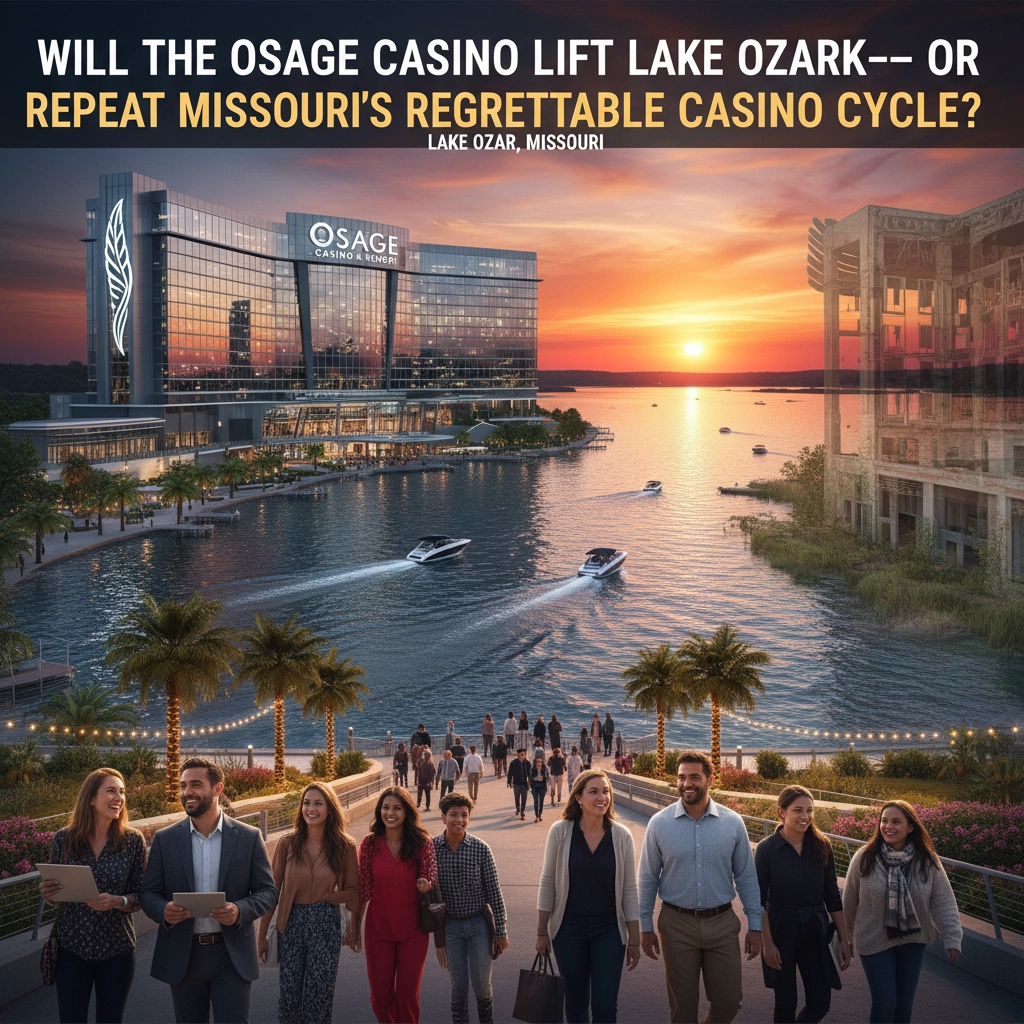
- Will the Osage Casino Lift Lake Ozark: Or Repeat Missouri Regrettable Casino Cycle?
The Lake of the Ozarks sits at a crossroads. The Osage Nation is pushing forward with plans for a $60 million casino and entertainment complex that could either revitalize the area's economy or become another cautionary tale in Missouri's complicated relationship with gambling. As business owners and residents weigh this decision, it's worth taking an honest look at what's being promised versus what other Missouri communities have actually experienced. The track record isn't pretty, but this project has some unique factors that might make the difference. The Promise: Jobs, Tourism, and Economic Revival The Osage Nation's proposal is substantial. We're talking about a 237,160-square-foot complex featuring a 40,000-square-foot gaming floor with up to 750 electronic gaming machines, a 150-room hotel tower, multiple restaurants, event spaces, fitness center, and pool. The location at the intersection of Bagnell Dam Boulevard and Osage Beach Parkway puts it right in the heart of tourist traffic. Chief Geoffrey Standing Bear emphasizes that the project would "provide positive economic benefits to the Osage people, as well as those who reside on Osage ancestral lands." CEO Byron Bighorse projects the development will bring "new jobs, tourism and revenue for the Lake of the Ozarks community." Unlike many casino projects that rely on state approval and face regulatory hurdles, this operates on tribal land. That means federal oversight only: potentially smoother sailing and fewer political complications. The Osage Nation isn't flying blind here either. They currently operate seven successful casinos in Oklahoma, so they understand the gaming business. That experience could translate into better management and longer-term viability than some of the fly-by-night operations that have burned other Missouri communities. Local supporters point to immediate construction jobs, permanent positions in hospitality and gaming, increased tax revenue, and the multiplier effect of bringing more visitors to the area. For a region that's seen tourism fluctuate with economic cycles, a major entertainment destination could provide some stability. The Reality Check: Missouri's Casino Casualties Before anyone gets too excited, let's look at what happened to other Missouri towns that thought casinos would solve their economic problems. Cape Girardeau's casino experience has been rocky at best. The initial promises of economic revitalization haven't materialized as expected. Local businesses report that casino visitors tend to stay on-property rather than exploring downtown shops and restaurants. The anticipated spillover effect largely failed to happen. Boonville's story is even more concerning. The Isle of Capri Casino Hotel there has become notorious for poor conditions and disappointing visitor experiences. Online reviews consistently mention unsanitary conditions, poor service, and an overall sense that the facility isn't well-maintained. Instead of becoming a draw for tourism, it's become something locals are embarrassed about. More troubling is the broader trend: Missouri casino revenues have been declining in recent years. That puts pressure on operators to cut costs, which often means reduced maintenance, fewer staff, and a deteriorating customer experience. When casinos start failing, communities are left with large, specialized buildings that are nearly impossible to repurpose. The "fast cash" that attracted these communities in the first place proved to be anything but lasting. Construction jobs disappeared after completion, and permanent positions often paid less than promised while providing fewer benefits than traditional hospitality jobs. What Makes Lake Ozark Different: And What Doesn't There are legitimate reasons to think the Osage Casino could avoid some of these pitfalls. The Lake of the Ozarks already has an established tourism infrastructure and brand recognition. Unlike struggling rural communities that saw casinos as their only option, this area has existing economic activity that a well-run casino could complement rather than cannibalize. The Osage Nation's track record in Oklahoma suggests they know how to operate profitable casinos long-term. Their focus on Class II gaming (bingo-style slots rather than traditional Vegas-style gambling) might also create a different dynamic that's less prone to the boom-bust cycle of traditional casinos. However, many of the fundamental challenges remain the same. Casino visitors often stick to the gaming floor and hotel rather than exploring local businesses. The jobs created tend to be service positions that don't build wealth in the community. And if the facility struggles financially down the road, Lake Ozark could be stuck with a massive abandoned building that's impossible to repurpose. The bigger question is whether this represents sustainable economic development or just another form of extractive industry that benefits outside investors while leaving the community with long-term costs. The Community Split Tells a Story Local reaction has been notably divided, which often signals that people have legitimate concerns on both sides. Supporters emphasize the immediate economic benefits and argue that the area needs something to diversify beyond seasonal tourism. They point out that people from the region are already driving to casinos in other states, so why not keep that money local? Critics worry about the social costs of gambling, the potential for crime increases, and the risk of becoming economically dependent on an industry that's proven volatile. They've watched other communities get burned by similar promises and wonder if Lake Ozark is being sold the same bill of goods. Business owners are particularly split. Some see potential customers and increased foot traffic. Others worry about competing for workers in a tight labor market or dealing with the social problems that sometimes come with gambling operations. This division often indicates that the decision isn't as clear-cut as either side claims. When communities are genuinely united behind casino projects, it usually means the economic benefits are obvious and the risks minimal. When they're divided, it suggests the calculation is much more complex. The Bottom Line: Proceed with Eyes Wide Open The Osage Casino proposal isn't inherently good or bad: it's a calculated risk that could go either way depending on execution and market conditions. The key is being honest about both the potential benefits and the real risks based on what's happened elsewhere. If Lake Ozark moves forward, the community needs to push for concrete commitments about local hiring, vendor preferences for local businesses, and revenue sharing that actually benefits residents. They should also plan for what happens if the casino struggles financially in 10-15 years. The Osage Nation's experience and the area's existing tourism base create better conditions for success than existed in places like Boonville or Cape Girardeau. But that doesn't guarantee success, and it certainly doesn't eliminate the risks that have burned other Missouri communities. Smart business owners and residents should support the project only if they're convinced it will genuinely complement the existing economy rather than replace it with something more fragile. The stakes are too high to base decisions on wishful thinking rather than hard evidence about what casinos actually deliver to the communities that host them. The choice ultimately comes down to whether Lake Ozark believes it can manage the risks better than other Missouri communities have: and whether the potential rewards justify taking that gamble in the first place. Written by Marcus Chen, Senior Business Analyst, Amerishop Services
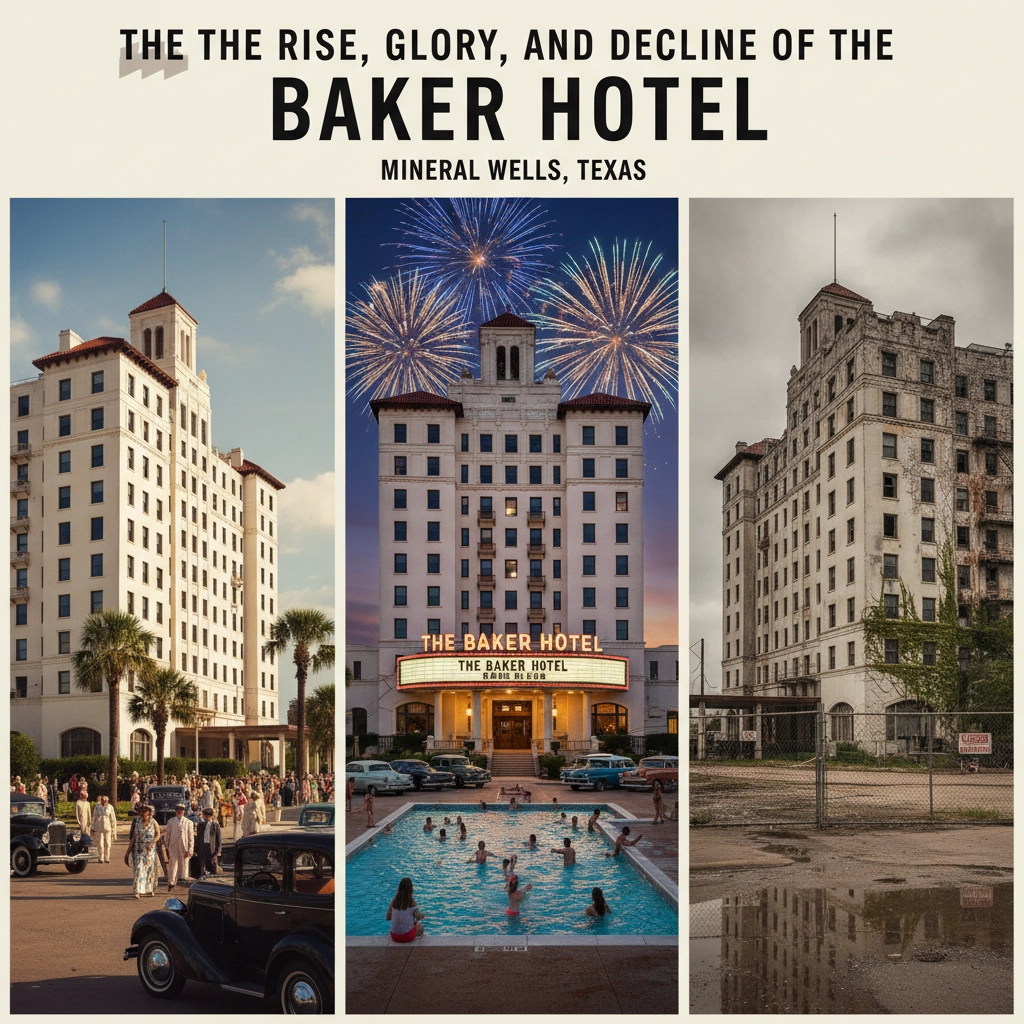
- The Rise, Glory, and Decline of the Baker Hotel in Mineral Wells, Texas
Picture this: It's 1929, and a 14-story hotel rises from the Texas hills like something out of a dream. The Baker Hotel in Mineral Wells wasn't just another place to rest your head, it was a testament to the American belief that if you build it grand enough, they will come. And boy, did they ever come. The Birth of a Texas Icon Back in 1922, the folks in Mineral Wells had a problem. Their town was famous for "miracle waters" that supposedly cured everything from arthritis to heartbreak, but outsiders were making all the money. So they did what Texans do best: they pooled their resources, raised $150,000, and decided to build their own slice of luxury. Enter Theodore Brasher Baker, a hotel magnate who knew his way around Texas hospitality. He'd already made his mark with hotels in Dallas and Fort Worth, so when Mineral Wells came calling, he was ready to make something special. Architect Wyatt C. Hedrick designed the Spanish Colonial Revival masterpiece, modeling it after the swanky Arlington Hotel in Hot Springs, Arkansas. But Baker had bigger dreams. During a trip to California, he saw a hotel with a swimming pool and thought, "We need one of those." So they tore up the plans and added what would become the first hotel swimming pool in Texas: Olympic-sized and filled with the same mineral water that put the town on the map. Construction wrapped up in 1929, and the grand opening on November 22nd couldn't have been more perfectly timed: just weeks after the stock market crashed. Talk about awkward timing. But somehow, this $1.2 million beauty (that's about $22 million in today's money) managed to thrive when everything else was falling apart. The Golden Years: When Stars Came to Texas Despite opening during the Great Depression, the Baker Hotel quickly became the place to see and be seen. The guest registry read like a Hollywood phone book: Clark Gable checking in for some R&R, Judy Garland warming up her voice in the ballrooms, and even the Three Stooges causing their usual ruckus in the halls. But it wasn't just the entertainment crowd. Helen Keller stayed here, as did a young Ronald Reagan before he traded acting for politics. Lawrence Welk's orchestra filled the air with music that drifted out over the town square, while wealthy oil tycoons and politicians mingled in the Sky Room Ballroom on the roof. The hotel's second floor was dedicated entirely to wellness treatments: mineral baths, steam rooms, salt rubs, and hot packs that doctors actually prescribed. People genuinely believed these waters could cure what ailed them, and for a while, it felt like they might be right. War Brings Unexpected Prosperity World War II turned out to be the Baker's golden ticket. When Camp Wolters opened nearby in 1940 as one of the largest infantry training centers in America, Mineral Wells' population exploded to around 30,000 people. Military families needed somewhere to stay, and the Baker was ready. Officers recovering from training injuries flocked to the mineral baths, while the ballrooms filled with soldiers trying to forget about the war for just one night. The hotel became a symbol of what they were fighting for: American luxury, comfort, and the promise of better days ahead. The Beginning of the End But like all good things, the party couldn't last forever. When the war ended in 1945 and Fort Wolters closed, it was like someone turned off the lights. The population crashed, and suddenly the Baker was half empty. The 1950s brought changes that the hotel couldn't adapt to. Modern medicine started debunking the "miracle cure" claims about mineral waters. Antibiotics like penicillin were the new miracle drugs, and people didn't need to travel to small Texas towns to get healthy: they just needed to visit their local doctor. Americans were also changing how they traveled. Instead of taking trains to destination resorts, they were driving cars to roadside motels. The Baker, designed for a different era of travel, found itself increasingly out of step with the times. Earl Baker, T.B.'s nephew who'd taken over operations, tried everything to keep the dream alive. He hosted political conventions (both Republicans and Democrats held state conventions there in the 1950s), community events, and dances. But the writing was on the wall. The Long Goodbye On April 30, 1963, after 34 years of service, Earl Baker announced he was closing the hotel on his 70th birthday. A group of local investors tried to revive it in 1965, but their efforts were short-lived. When Earl Baker died of a heart attack in the Baker Suite in 1967, it felt like the end of an era. The hotel limped along until 1972, when it finally closed for good. For the next five decades, it stood as a monument to what once was: windows broken, paint peeling, but somehow still majestic against the Texas sky. Locals swore they could hear ghostly music drifting from the ballrooms and catch the scent of perfume in the empty corridors. Whether you believe in ghosts or not, there was definitely something haunting about seeing such grandeur slowly crumble. A New Chapter Begins Fast forward to 2019, and hope returned to Mineral Wells. A $65 million restoration project was announced, promising to bring the Baker back to life as a luxury resort and spa. The plans call for reducing the room count to 165 (luxury over quantity), restoring the mineral spa facilities, and bringing back fine dining and entertainment. As of 2025, the restoration is underway, though the hotel hasn't reopened to guests yet. It's a massive undertaking: bringing a 96-year-old building up to modern standards while preserving its historic character isn't exactly easy. But if there's one thing Texans know how to do, it's dream big. The Baker Hotel represents more than just a building; it's a symbol of resilience, community spirit, and the belief that some things are worth saving. Lessons from the Baker's Story The rise and fall of the Baker Hotel teaches us something important about American business and community development. Success can be fleeting, especially when it's tied to trends that seem permanent but aren't. The mineral water craze felt like it would last forever, but medical advances and changing consumer preferences had other plans. Yet the hotel's story also shows the power of community investment and local ownership. When Mineral Wells citizens pooled their money in 1922, they created something that brought prosperity to their town for decades. Now, as restoration efforts continue, there's hope that the Baker can once again serve as an economic anchor for the community. Whether the restored Baker Hotel will recapture its former glory remains to be seen. But one thing's for certain: it's given Mineral Wells something money can't buy: a story worth telling and a landmark worth preserving. The grand dame of Mineral Wells may have been sleeping for five decades, but she's not done yet. Sometimes the most magnificent dreams just need a little more time to come true. Sponsored by Dependable Brokers Insurance Agency - Supporting business growth and community preservation across America.
- The Controversial Push for a Casino at Lake of the Ozarks
The Lake of the Ozarks has long been known as one of Missouri's most recognizable landmarks, a scenic getaway that combines beauty, recreation, and the nostalgia of an era when the Bagnell Dam was built to keep families from starving during the Great Depression. While the dam remains a symbol of resilience and human ingenuity, the region surrounding it has struggled to find sustainable economic footing ever since. Every decade or so, the Lake area seems to catch a spark of growth, new resorts open, real estate surges, tourism peaks, and then the momentum fades. Businesses shutter, young professionals move away, and the same cycle repeats. The pattern has become so predictable that locals have come to expect economic "spurts" followed by quiet decline. The Employment Challenge At the core of the issue lies a lack of career-wage jobs. Seasonal positions in hospitality, tourism, and food service dominate the employment landscape. These jobs, while valuable for short-term income, do not provide the stability or benefits necessary to support long-term residents or attract a younger, skilled workforce. Walk through any Lake area business district during the off-season, and you'll see the reality: "Help Wanted" signs everywhere during summer months, followed by mass layoffs when the tourists head home. It's a cycle that's been repeating for generations, and it's exactly what keeps families from putting down real roots in the community. The Casino Debate Emerges The latest debate surrounding the Lake involves the potential arrival of a casino, a development that some see as a chance for revitalization and others as a moral and social setback. Proponents argue that it could finally bring in year-round employment, infrastructure upgrades, and tax revenue to a struggling economy. Opponents warn of increased crime, addiction, and an overreliance on tourism-driven dollars that do little to diversify the region's income base. The casino conversation isn't new to Missouri. We've seen similar debates in other parts of the state, with mixed results. Some communities have benefited from the steady employment and tax revenue, while others have struggled with the social costs that can come with gambling establishments. Two Competing Visions What makes the Lake of the Ozarks situation particularly interesting is that there have been two distinct approaches to bringing casino gaming to the area. The first involved a state-licensed facility that would have required voter approval through a constitutional amendment. That measure, known as Amendment 5, was ultimately rejected by Missouri voters in November 2024. The second approach involves the Osage Nation, which has been pursuing a tribally-operated casino that operates under federal authority rather than state regulations. This path doesn't require the same voter approval process, as it falls under the Indian Gaming Regulatory Act and tribal sovereignty. The Deeper Identity Crisis At its heart, the casino debate reflects a deeper identity crisis for the Lake: Should it continue to rely on entertainment and "heads in beds," or evolve into a sustainable economy built on technology, trade, and professional careers? This is where the conversation gets really interesting. The "heads in beds" mentality has dominated Lake area economic development for decades. Every proposal, every initiative, every marketing campaign seems to focus on getting more tourists to visit and spend money for a few days before heading home. But here's the thing, that model is fundamentally flawed for long-term economic health. When your entire economy depends on people visiting temporarily, you're always at the mercy of factors beyond your control: gas prices, weather patterns, national economic conditions, changing vacation preferences. The Real Solution Until city and county leadership abandon the "heads in beds" concept, prioritizing tourism and weekend visitors over local workforce development, the Lake will continue to stagnate. Tourism alone cannot carry an entire region indefinitely. The future of the Lake depends on diversifying industries, investing in local entrepreneurship, and creating incentives for businesses that offer long-term, full-time positions. Think about it: What if instead of another resort or entertainment complex, the Lake area attracted a technology company? Or a manufacturing facility? Or a regional distribution center? These businesses create year-round jobs, attract families who spend money at local businesses twelve months a year, and provide the tax base that supports good schools and infrastructure. Learning from Other Communities Other communities have successfully transitioned away from tourism-dependent economies. They've done it by investing in education, creating business incubation programs, offering tax incentives for companies that provide career-wage jobs, and building the infrastructure that modern businesses need to succeed. The Lake has natural advantages that many communities would envy: beautiful scenery, relatively low cost of living, and proximity to major metropolitan areas. But these advantages are wasted if local leadership continues to focus exclusively on attracting weekend visitors instead of permanent residents and sustainable businesses. The Casino as a Band-Aid Whether or not a casino ultimately comes to the Lake of the Ozarks, it won't solve the fundamental economic challenges facing the region. At best, it might provide some temporary relief, more jobs, more tax revenue, more activity during the slower months. But it's still fundamentally a tourism-based solution to a tourism-based problem. Real economic development requires vision, patience, and the willingness to invest in the future rather than chase quick fixes. It means saying no to projects that perpetuate the boom-bust cycle and yes to initiatives that build lasting prosperity. A Call for Leadership Lake of the Ozarks deserves better than seasonal surges and temporary fixes. It deserves a future where families can thrive, not just survive on tourism cycles and summer crowds. But that future won't happen automatically: it requires leadership that's willing to think beyond the next tourist season and start building an economy that works for the people who actually live there. The casino debate is just the latest chapter in a much longer story about what kind of community the Lake area wants to become. The real question isn't whether gambling is right or wrong for the region: it's whether local leaders are ready to start making the hard choices necessary to build a sustainable economic future. This post was written by Amerishop Services Sponsored by Dependable Brokers Insurance Agency Supporting Missouri businesses through coverage, consistency, and community growth.
- Fun and Useful Stuff: Trivia, Recipe, Tire Change How-To, and Anxiety Tips
🎄✨🎅🎄✨🎅🎄✨🎅🎄✨🎅🎄✨🎅 Life's more fun when you're learning something new, right? Whether you're looking to impress friends with random facts, whip up something delicious, handle a roadside emergency, or just need to chill out a bit, we've got you covered. Let's dive into some seriously useful (and entertaining) stuff that'll make you feel like you've got your act together. Test Your Brain: Trivia Time Ready to flex those brain muscles? Here's a mix of questions that'll either make you feel like a genius or send you straight to Google afterward. General Knowledge Rapid Fire: Which country invented tea? China (and thank goodness they did!) Which mammal has no vocal cords? Giraffe (explains why they're such good listeners) What's the only land mammal that can't jump? The elephant (but honestly, would you want a 6,000-pound animal bouncing around?) What animal lays eggs but is still classified as a mammal? The platypus (nature's way of keeping scientists on their toes) What's the fastest land mammal in the world? The cheetah (hitting up to 70 mph when they're really motivated) History & Culture Corner: Who wrote "Adventure of Sherlock Holmes"? Arthur Conan Doyle According to Greek mythology, who was the first woman on earth? Pandora (and we all know how that turned out) When was Nike founded? 1971 (just do it, right?) What's the national dish of Spain? Paella (making everyone hungry just thinking about it) Geography Challenge: What's the smallest country in the world? Vatican City (you can literally walk across it in 20 minutes) Which American state is the largest by area? Alaska (everything's bigger in Alaska, not just Texas) What's the world's longest river? The Nile (flowing strong for over 4,000 miles) Science & Nature: Which planet has the most gravity? Jupiter (where you'd weigh about 2.5 times more than on Earth) Which bone are babies born without? Knee cap (develops as they grow) True or false: Earth's core is hotter than the Sun's surface? True (mind = blown) Quick & Delicious: 15-Minute Garlic Butter Pasta Sometimes you need comfort food fast, and this recipe delivers every single time. It's simple, uses ingredients you probably already have, and tastes way fancier than the effort required. What You Need: 1 pound pasta (any shape works, but spaghetti or linguine are classics) 6 cloves garlic, minced 1/2 cup butter 1/4 cup olive oil 1/2 cup fresh parsley, chopped 1/2 cup grated Parmesan cheese Red pepper flakes (optional, but recommended) Salt and black pepper to taste How to Make It: Total time? About 15 minutes. Total satisfaction? Off the charts. Roadside Reality: How to Change a Tire Like a Pro Nobody plans on getting a flat tire, but when it happens, you'll be glad you know what to do. Here's your step-by-step guide to getting back on the road safely. Before You Start: Pull over to a flat, stable surface away from traffic Turn on hazard lights Apply parking brake Turn on interior lights if it's dark What You'll Need: Spare tire (check that it's properly inflated beforehand) Jack Lug wrench Vehicle owner's manual The Process: Pro tip: Most spare tires are temporary and shouldn't be driven over 50 mph or for extended distances. Get to a tire shop as soon as you can. Chill Out: Simple Ways to Handle Anxiety Life can be overwhelming sometimes, and that's totally normal. Here are some tried-and-true methods to help you find your calm when everything feels a bit too much. Breathing Techniques That Actually Work: The 4-7-8 method is simple but effective: breathe in for 4 counts, hold for 7, exhale for 8. It sounds basic, but it activates your body's natural relaxation response. Ground Yourself with the 5-4-3-2-1 Technique: 5 things you can see 4 things you can touch 3 things you can hear 2 things you can smell 1 thing you can taste This pulls you out of anxious thoughts and back into the present moment. Physical Movement Helps: Even a quick 5-minute walk can shift your mental state. Your body and mind are connected, so moving your body often moves your mood too. Write It Down: Sometimes anxiety feels overwhelming because thoughts are spinning around in your head. Getting them on paper can help you see them more clearly and feel more in control. Limit the "What If" Game: Anxiety loves to play "what if" scenarios that probably won't happen. When you catch yourself doing this, try asking "What is" instead - focusing on what's actually happening right now. Set Boundaries with News and Social Media: Constant information overload can amp up anxiety. It's okay to take breaks from the news cycle and social media scrolling. Wrapping It Up There you have it – a little something for everyone. Whether you're showing off your trivia knowledge, cooking up something tasty, handling car trouble like a champ, or just trying to keep your cool in a crazy world, you've got some new tools in your toolkit. Life throws us curveballs, but being prepared and staying curious makes the ride a lot more enjoyable. Keep learning, keep growing, and remember that sometimes the best moments come from the most unexpected situations. Need reliable business insurance for your restaurant or service business? At Dependable Brokers, we've got you covered with comprehensive coverage options. Get your quote today and protect what you've worked hard to build. Written by Sarah Mitchell for Amerishop Services 🎄✨🎅🎄✨🎅🎄✨🎅🎄✨🎅🎄✨🎅
- Fulton Missouri Christian Church Directory – Sponsored by Car Whiz
Finding a new church home can feel overwhelming, especially when you're new to a community or looking to reconnect with your faith. Fulton, Missouri offers a rich tapestry of Christian congregations, each with its own unique character and worship style. With over 28 churches serving this vibrant community, there's truly something for everyone seeking to grow in their spiritual journey. Whether you prefer traditional hymns or contemporary worship, formal liturgy or casual fellowship, Fulton's churches welcome families, young adults, seniors, and everyone in between. This comprehensive directory will help you discover the perfect place to call your church home. Baptist Churches Southside Baptist Church Phone: (573) 642-5921 Email:office@sbcfulton.com Service Times: Sunday Worship 10:15 AM, Wednesday Evening Services Style: Traditional Baptist Southside Baptist Church proudly serves as a multi-generational church family with ministries designed for all ages. Their Sunday morning worship service at 10:15 AM creates a warm, welcoming atmosphere where longtime members and newcomers alike feel at home. The church also hosts Wednesday evening gatherings, providing additional opportunities for fellowship and spiritual growth throughout the week. First Baptist Church of Fulton Mission Focus: Reaching Fulton, Callaway County, and the world with the gospel of Jesus Christ Style: Traditional Baptist First Baptist Church of Fulton maintains a strong commitment to both local community outreach and global missions. Their congregation actively works to share the gospel message not just within Fulton city limits, but extends their reach throughout Callaway County and beyond. Disciples of Christ Churches First Christian Church-Disciples of Christ Service Times: Sunday Worship: 10:30 AM Choir Practice: 8:45 AM Faith Formation: 9:30 AM Coffee and Donuts: 9:30 AM About: A flourishing community dedicated to helping all experience, believe, and live God's Love, established almost 200 years ago With nearly two centuries of faithful service to the Fulton community, First Christian Church-Disciples of Christ combines rich tradition with vibrant contemporary ministry. Their Sunday morning schedule offers multiple opportunities for connection, from early morning choir practice to faith formation classes for all ages. The coffee and donuts fellowship time at 9:30 AM provides a perfect opportunity to meet other church members before the main worship service. Millersburg Christian Church Address: 4527 State Road J, Fulton, MO 65251 Phone: (573) 642-2939 Denomination: Disciples of Christ Located just outside Fulton proper, Millersburg Christian Church serves families throughout the surrounding rural areas. Their Disciples of Christ tradition emphasizes the importance of Christian unity and biblical authority in all matters of faith and practice. Callaway Christian Church Address: 2051 Silver Dr, Fulton, MO 65251 Phone: (573) 592-4977 Email:callawaychristianch@gmail.com Service Times: Sunday Worship: 10:30 AM Wednesday Night Fellowship: 6:00 PM Features: Contemporary & traditional worship music, weekly communion, nursery available Callaway Christian Church offers the best of both worship worlds with their blend of contemporary and traditional music styles. Weekly communion keeps the congregation connected to the central message of Christ's sacrifice, while their nursery facilities ensure parents can participate fully in worship. Wednesday night fellowship provides midweek spiritual refreshment and community connection. Non-Denominational and Christian Churches Central Christian Church Address: 4670 State Road KK, Fulton, MO 65251 Phone: (573) 642-3496 Service Times: Blended Worship Service: 10:00 AM-11:15 AM Sunday School: 9:30 AM About: A thriving congregation established in 1879, offering youth events, children's church, outreach and mission projects Central Christian Church brings together tradition and innovation in their blended worship format. Founded in 1879, this established congregation has adapted to serve modern families while maintaining their historical roots. Their comprehensive programming includes dedicated youth events, children's church during worship services, and active outreach programs that make a real difference in the Fulton community. Hams Prairie Christian Church Address: 6300 State Road AD, Fulton, MO 65251 Phone: (573) 705-0957 Serving the rural communities surrounding Fulton, Hams Prairie Christian Church provides a close-knit fellowship experience. Their location along State Road AD makes them easily accessible to families living in the countryside who want to maintain their connection to Christian community. Oikos Christian Church Location: Fulton, MO About: A household of faith in the Fulton community True to their name (Oikos means "household" in Greek), this congregation emphasizes the family atmosphere of Christian fellowship. They focus on creating genuine relationships and supporting one another through life's challenges and celebrations. Other Denominations Victory Fellowship Church Address: 6850 State Road NN, Fulton, MO 65251 Phone: (573) 642-8744 Service Times: Sunday Mornings: 9:00 AM and 11:00 AM Wednesday Evenings: 7:00 PM Victory Fellowship Church accommodates different schedule preferences with their dual Sunday morning services. The 9:00 AM service works well for early risers and families with young children, while the 11:00 AM service suits those who prefer a later start to their Sunday. Wednesday evening services provide additional opportunities for deeper Bible study and prayer. St. Peter Catholic Church Denomination: Catholic Location: Fulton, MO St. Peter Catholic Church serves Fulton's Catholic community with traditional liturgical worship and the full range of Catholic sacraments. Their congregation represents the universal Catholic Church's presence in this Missouri community. What to Expect When Visiting Most Fulton churches welcome visitors with open arms and genuine warmth. You'll typically find greeters at the entrance who can help you find seating, provide bulletins or worship guides, and answer any questions about the service format. Don't worry about not knowing when to stand, sit, or participate – simply follow along as you're comfortable. Many churches offer nursery care for infants and toddlers, and several have special children's programs during part of the worship service. If you're visiting with kids, don't hesitate to ask about these options when you arrive. Dress codes vary among congregations, but most Fulton churches welcome casual to semi-formal attire. You'll see everything from jeans and polo shirts to suits and dresses, so wear whatever makes you feel comfortable and ready to focus on worship. Getting Connected Beyond Sunday Finding your church home involves more than just Sunday morning worship. Look for opportunities to connect through: Small group Bible studies Fellowship meals and potluck dinners Community service projects Youth and children's programs Adult education classes Music ministries and choirs Prayer groups These activities help you build meaningful relationships and find your place within the church community. Most churches are happy to help newcomers get plugged into areas that match their interests and availability. Making Your Decision Take your time visiting different churches to find the best fit for your family's needs and spiritual growth. Consider factors like: Worship style and music preferences Teaching approach and biblical emphasis Community involvement and outreach focus Available programs for your family's life stage Location and service times that work with your schedule Overall atmosphere and sense of welcome Remember, the "right" church is one where you feel called to grow in your faith, serve others, and build lasting Christian relationships. Written by Sarah Mitchell, Content Writer for Amerishop Services Car Whiz( driving Fulton's faith community forward.)** | Phone: (573) 843-6395
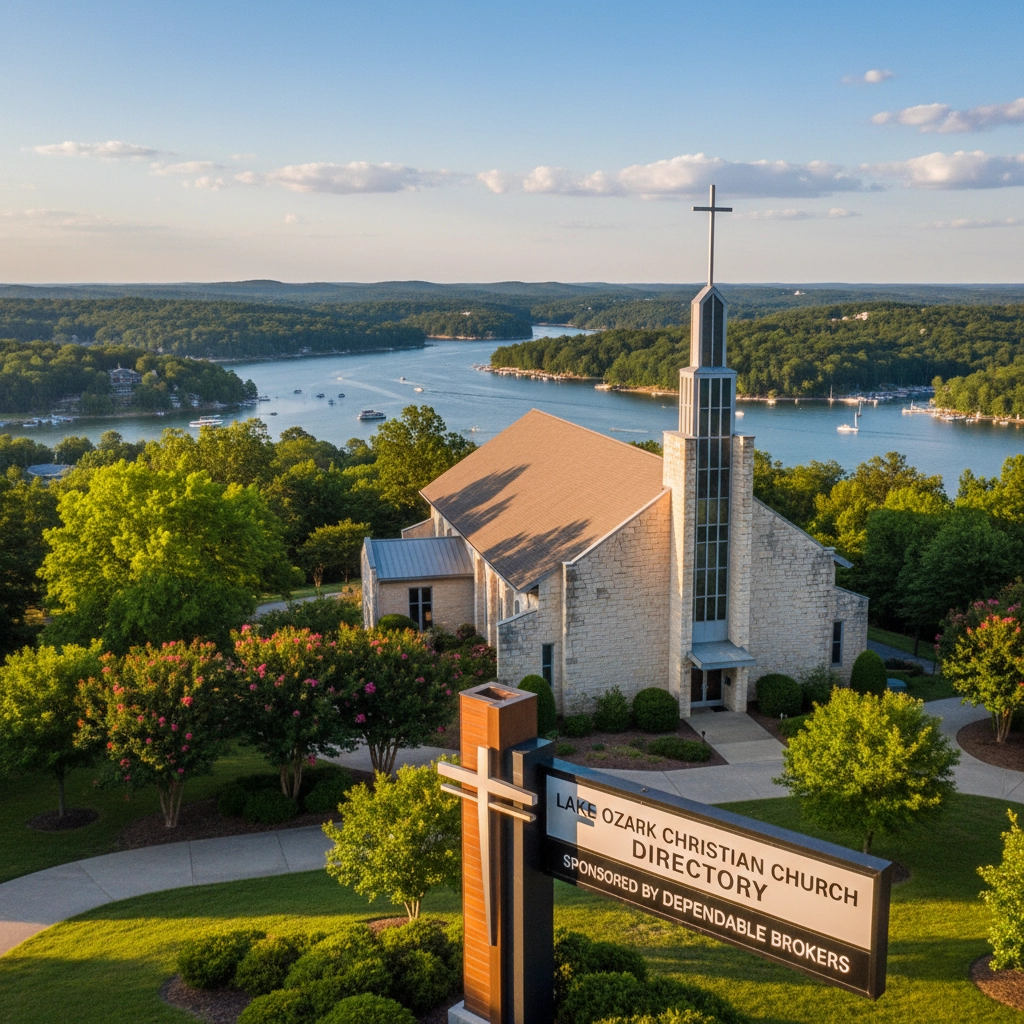
- Lake Ozark Christian Church Directory – Sponsored by Dependable Brokers
Finding the right church home is one of life's most important decisions. Whether you're new to the Lake Ozark area or simply seeking a fresh spiritual community, choosing a church that aligns with your faith and values can make all the difference in your spiritual journey. Lake Ozark offers a diverse collection of Christian churches, each with its own unique character, worship style, and community focus. From traditional denominational churches to contemporary worship experiences, our lakeside community has options for every believer seeking to grow in faith and fellowship. Complete Lake Ozark Christian Church Directory Lake Ozark Christian Church Address: 1560 Bagnell Dam Blvd, Lake Ozark, Missouri 65049 Phone: (573) 365-3366 Denomination: Christian Church (Disciples of Christ) Service Times: Sunday 10:30 AM Style: Traditional worship with contemporary elements Lake Ozark Christian Church welcomes all people to their congregation, emphasizing that Christ's table is open to everyone. This community of faith centers on Scripture, active faith, service, and spiritual growth. They focus on bringing good news to the poor, proclaiming release to captives, and working for peace and justice in their community. First Baptist Church of Lake Ozark Address: 1625 Bagnell Dam Blvd, Lake Ozark, Missouri 65049 Phone: (573) 365-2717 Denomination: Southern Baptist Service Times: Sunday 9:00 AM & 10:45 AM, Wednesday 6:30 PM Style: Traditional Baptist worship with choir A cornerstone of the Lake Ozark faith community, First Baptist offers solid biblical preaching, strong fellowship, and active missions programs. Their children's ministry and youth programs serve families throughout the lake area. Lake Ozark United Methodist Church Address: 1590 Bagnell Dam Blvd, Lake Ozark, Missouri 65049 Phone: (573) 365-3267 Denomination: United Methodist Service Times: Sunday 8:30 AM & 11:00 AM Style: Traditional Methodist liturgy Known for their welcoming spirit and community outreach, this Methodist congregation combines traditional worship with contemporary missions. They're particularly active in local food pantry programs and community service projects. Lakeside Community Church Address: 1789 Bagnell Dam Blvd, Lake Ozark, Missouri 65049 Phone: (573) 365-9876 Denomination: Non-denominational Service Times: Sunday 9:00 AM & 10:30 AM Style: Contemporary worship with live band This growing congregation focuses on casual, relevant teaching and contemporary music. Popular with young families and visitors to the lake area, they emphasize practical faith for everyday living. St. Patrick Catholic Church Address: 1540 Bagnell Dam Blvd, Lake Ozark, Missouri 65049 Phone: (573) 365-4115 Denomination: Roman Catholic Service Times: Saturday 5:00 PM, Sunday 8:00 AM & 10:00 AM Style: Traditional Catholic Mass Serving the Catholic community of Lake Ozark for decades, St. Patrick offers traditional Mass services and active parish life. Their religious education programs serve children and adults seeking to grow in Catholic faith. Grace Fellowship Church Address: 1699 Bagnell Dam Blvd, Lake Ozark, Missouri 65049 Phone: (573) 365-7890 Denomination: Assembly of God Service Times: Sunday 10:00 AM & 6:00 PM, Wednesday 7:00 PM Style: Pentecostal worship with emphasis on spiritual gifts Known for energetic worship and strong biblical teaching, Grace Fellowship emphasizes the gifts of the Spirit and personal relationship with Jesus Christ. Their prayer ministry and healing services draw people from throughout central Missouri. Lake Area Presbyterian Church Address: 1755 Bagnell Dam Blvd, Lake Ozark, Missouri 65049 Phone: (573) 365-5432 Denomination: Presbyterian Church (USA) Service Times: Sunday 10:00 AM Style: Traditional Presbyterian worship This Presbyterian congregation combines thoughtful theology with warm fellowship. Known for their strong Sunday school programs and community involvement, they welcome both seasonal and year-round residents. Crossroads Bible Church Address: 1820 Bagnell Dam Blvd, Lake Ozark, Missouri 65049 Phone: (573) 365-2468 Denomination: Independent Baptist Service Times: Sunday 9:30 AM & 6:00 PM, Wednesday 7:00 PM Style: Expository preaching, traditional hymns Focused on verse-by-verse Bible teaching, Crossroads emphasizes sound doctrine and practical Christian living. Their men's and women's ministries are particularly strong, along with their youth programs. What to Consider When Choosing Your Church Home Worship Style Preferences Different churches offer varying worship experiences. Some prefer traditional hymns and liturgy, while others enjoy contemporary music and casual atmospheres. Consider what helps you connect most meaningfully with God during worship. Teaching and Preaching Style Every pastor brings their own approach to biblical teaching. Some focus on expository preaching, going through Scripture verse by verse. Others prefer topical messages addressing current life issues through biblical principles. Community and Fellowship Opportunities Look for churches that offer small groups, Bible studies, and fellowship activities that match your interests and life stage. Many people find their closest friendships through church connections. Family and Children's Programs If you have children, investigate the quality of children's ministries, youth programs, and family activities. Strong children's programs often indicate a church's commitment to long-term spiritual development. Service and Mission Focus Consider how each church serves their local community and supports missions. Many believers find purpose and spiritual growth through serving others alongside their church family. Getting Involved in Your New Church Start with Sunday Services Begin by attending Sunday morning services regularly. This gives you the best sense of the church's teaching, worship style, and community atmosphere. Join a Small Group or Bible Study Most churches offer small group opportunities where you can build deeper relationships and grow in biblical understanding. These smaller settings often provide the best path to meaningful connections. Volunteer in Ministry Areas Whether it's helping with children's programs, participating in community service, or supporting church operations, volunteering helps you find your place in the church community. Connect with Church Leadership Don't hesitate to introduce yourself to pastors and church leaders. Most are eager to welcome newcomers and help you find your place in the congregation. Building Your Faith Community at the Lake Lake Ozark's churches represent more than just Sunday services – they're communities of believers committed to supporting one another through life's joys and challenges. Whether you're dealing with difficult circumstances, celebrating milestones, or simply seeking spiritual growth, these congregations stand ready to welcome you into their fellowship. Many lake area residents find that church involvement enriches not only their spiritual lives but also their connection to the broader community. From volunteer opportunities to social events, local churches serve as vital community anchors. The diversity of worship styles and denominational backgrounds means you can find a church that matches your theological convictions while challenging you to grow in faith. Take time to visit several congregations, pray for guidance, and trust God to direct you to the right church home. Making the Most of Your Church Search Remember that finding the right church home takes time. Don't feel pressured to make an immediate commitment. Most pastors and church members understand that choosing a church family is an important decision that deserves careful consideration. Consider visiting during different seasons and special events to get a fuller picture of each church's community life. Many churches are especially welcoming during Christmas and Easter seasons, providing excellent opportunities to experience their worship and fellowship. Finally, pray throughout your search process. Ask God to guide you to the church where you can best serve Him, grow in faith, and build meaningful relationships with other believers. This Lake Ozark Christian Church Directory is proudly sponsored by Dependable Brokers – protecting what matters in Lake Ozark. For all your insurance and advertising needs, call (314) 580-3455 or visit dependablebrokers.com. Written by Sarah Mitchell for Amerishop Services
- Whats Happening in Mid Missouri: November December Event Guide
By Sarah Martinez, Amerishop Services Mid-Missouri comes alive during the holiday season, offering everything from craft fairs and live music to dazzling light displays and family-friendly festivals. Whether you're looking for weekend entertainment or planning special outings with loved ones, November and December pack the region with memorable experiences. Early November: Craft Fairs and Community Gatherings November kicks off with a bang across Mid Missouri. November 1st brings an impressive lineup of craft fairs and markets throughout the region. The Woodland Craft Fair in Columbia showcases local artisans alongside entertainment and food trucks, while the Eureka Holiday Craft Fair features over 150 crafters displaying handmade goods perfect for early holiday shopping. The same weekend, you'll find the Lake St. Louis Autumn Farmers and Artists Market highlighting local farmers and artisans, plus craft fairs in Warrenton and Chaffee offering unique finds from regional vendors. For those seeking antiques and collectibles, the Downtown Perryville Fall Craft Fair provides treasure hunting opportunities. Multi-day events starting November 1st include the Parkway North Craft Fair and The Builders Fall Home Show, both running through November 2nd. The Kansas City Fall Gem, Mineral, Jewelry and Bead Show also extends through November 2nd, perfect for jewelry enthusiasts and collectors. The Columbia Fall into Art Festival at the Expo Center runs November 1-2, featuring local and regional artists displaying everything from paintings to sculptures. Later that first week, November 7-8 brings the Rutledge Holiday Flea Market, while November 7-9 hosts the Christian County Fall Gun Show in Nixa. Music and Theater Scene Mid Missouri's music venues stay busy throughout both months. The Missouri Theatre in Columbia presents an exciting lineup including Chelcie Lynn's comedy show on November 22nd, perfect for a night of laughs before Thanksgiving. December brings Jim Brickman's holiday concert on December 3rd, featuring beloved seasonal classics, and Josh Johnson's comedy tour on December 12th. Jesse Auditorium at the University of Missouri continues its diverse programming with performances ranging from lectures to live music. Caleb Hearon performs November 12th, offering another comedy option for entertainment seekers. Local venues throughout Columbia and Jefferson City host various musicians and bands during the holiday season. Check Columbia's Convention & Visitors Bureau events calendar and individual venue websites for the most current show listings. Mid-November: Holiday Magic Begins The middle of November marks the transition into full holiday mode. November 15th features multiple special events including the Honoring Our Veterans Pow-Wow in Springfield, a meaningful celebration recognizing service members. The same day, St. Charles hosts a Chili Cook Off at Riverwalk Market, while St. Joseph presents VikingFest. November 15-16 weekend brings Santa's Magical Kingdom to Eureka and the Garden Glow at the Missouri Botanical Garden in St. Louis. Though slightly outside Mid Missouri's center, these attractions draw visitors from throughout the region. Beginning November 15th and running through December 31st, Christmastime in Hermann transforms this charming German village into a winter wonderland. Weekend celebrations feature authentic German traditions, holiday markets, and festive entertainment that capture the spirit of a European Christmas market. Light Festivals and Holiday Displays Late November through December showcases Mid Missouri's most spectacular light displays. The week of November 17-23 features extensive holiday attractions throughout the region. Branson, while on Mid Missouri's southern edge, offers multiple concurrent attractions including Let there Be Lights, Lights of Joy, and An Old Time Christmas at Silver Dollar City. The November 20-23 weekend brings the Evergy Festival of Lights at Powell Gardens in Kingsville and the Enchanted Village of Lights in Laurie. These displays create magical experiences perfect for families and couples seeking romantic winter outings. November 22-23 features the Ameren Missouri Festival of Lights in St. Louis, Lane of Lights in Excelsior Springs, Gateway Arch Park Winterfest, and Holiday Lights at Grant's Farm. Many of these attractions continue operating through New Year's Eve. Sports and University Events Mizzou basketball season kicks off in early November, bringing exciting home games to Columbia. The November 3rd season opener generates significant excitement throughout the region, with rivalry games scheduled throughout December creating perfect opportunities for sports enthusiasts. The university calendar remains packed with lectures, performances, and special events at various venues including Jesse Auditorium and other campus locations. Students, alumni, and community members can find comprehensive event listings on the university's official calendar. December Highlights December brings Columbia's beloved Living Windows Festival on the first Friday of the month (December 5th). Downtown merchants compete for the best window displays while visitors enjoy carol singing, carriage rides, and holiday lights throughout the historic downtown district. The Polar Express Train Ride operates select dates from November 13 through December 3rd, offering families magical experiences straight from the beloved children's story. Shepherd of the Hills Christmas Dinner Shows run select dates in November and December, combining entertainment with festive dining. Holiday light festivals continue throughout December, with many Branson attractions extending their seasons and additional displays appearing throughout Mid Missouri communities. Small towns often host their own holiday celebrations, parades, and light displays during weekends leading up to Christmas. Family-Friendly Activities Throughout both months, families will find numerous activities designed for all ages. Craft fairs welcome children with hands-on activities, while light displays create wonder for youngsters and nostalgia for adults. Many venues offer special children's programming during weekends. Holiday train rides, Christmas village experiences, and outdoor light displays provide opportunities for creating lasting family memories. Indoor venues ensure activities continue regardless of weather conditions. Planning Your Holiday Season For complete event calendars and the most current information, visit the Columbia Convention & Visitors Bureau website at visitcolumbiamo.com/events. The Missouri Theatre and Jesse Auditorium maintain updated performance schedules on their respective websites. Visit Missouri's statewide events calendar includes holiday festivals, shop hops, and seasonal celebrations throughout the region. Local newspapers and community websites also provide detailed coverage of smaller community events and last-minute additions to the holiday schedule. Many venues offer advance ticket sales for popular events, especially holiday shows and light displays. Planning ahead ensures availability for must-see attractions during peak holiday weekends. Mid Missouri's November and December events create opportunities for entertainment, shopping, family bonding, and community connection. From intimate craft fairs to spectacular light displays, the region offers something special for every interest and age group throughout the holiday season. Whether you're seeking cultural experiences, family entertainment, or simply ways to embrace the holiday spirit, Mid Missouri delivers memorable experiences that capture the warmth and joy of the season.
- November in Sedalia: Local Events Guide Presented by Dons Truck Towing
By Sarah Mitchell for Amerishop Services November brings a cozy charm to Sedalia, Missouri, and there's plenty happening around town to keep locals entertained. Thanks to our friends at Don's Truck Towing for sponsoring this month's event roundup – they're always looking out for our community! Gun Show at Missouri State Fairgrounds Mark your calendars! The Sedalia Gun Show is scheduled for November 2025 at the Missouri State Fairgrounds. While specific dates are still being finalized, this popular event typically draws collectors, enthusiasts, and curious visitors from across Mid-Missouri. The Missouri State Fairgrounds provides the perfect venue with ample parking and spacious halls for vendors to showcase their wares. Whether you're a seasoned collector looking for that perfect addition to your collection or just browsing with family, the gun show offers something for everyone. Keep an eye on local announcements for exact dates and admission details. IPRA Rodeo Action The International Professional Rodeo Association continues to bring exciting rodeo events to our area throughout November. Check the current IPRA schedule for specific dates and venues, as these high-energy competitions feature some of the best cowboys and cowgirls in the sport. IPRA rodeos showcase traditional western events including: Bull riding Barrel racing Team roping Steer wrestling Saddle bronc riding These family-friendly events celebrate our region's agricultural heritage while providing thrilling entertainment. Concessions are typically available, and many venues offer bleacher seating for optimal viewing. Cheerleading Championships The Global Events Sedalia 2025 cheerleading competition takes center stage on November 8, 2025. This energetic event brings together teams from across the region to compete in various divisions and skill levels. Spectators can expect high-flying stunts, synchronized routines, and plenty of school spirit. The competition format typically includes preliminary rounds followed by finals, giving teams multiple opportunities to showcase their hard work and dedication. Admission is usually affordable, making it a great family outing. Turkey Trot Tradition Lace up your running shoes for the 16th Annual CHS Turkey Trot on November 27-28, 2025. This beloved Thanksgiving tradition starts at 8:30 AM in downtown Sedalia and offers multiple participation options: Race Categories: 5K Run/Walk 1 Mile Run/Walk Gobbler Dash (family-friendly distance) Virtual "Turkey Trot on the Road" option Registration fees range from free to $38.60, ensuring accessibility for all community members. The best part? Your participation supports over 10,000 individuals and families across nearly 50 Missouri counties. It's fitness, fun, and philanthropy all rolled into one great event. Even if you're not much of a runner, the Turkey Trot welcomes walkers of all ages and abilities. Many families make this their annual Thanksgiving morning tradition before gathering for holiday meals. Community Calendar Highlights Sedalia's community calendar stays busy throughout November with various ongoing activities and events. Here are some regular happenings to check out: Weekly Events: Farmers markets (weather permitting) Library story times and community programs Senior center activities and social gatherings Youth sports leagues and practices Monthly Gatherings: City council meetings (open to public) School board sessions Community organization meetings Volunteer opportunities Arts and Culture Scene November often brings indoor entertainment options as temperatures drop. Keep an eye out for: Local Theater Productions: Area theaters frequently schedule fall performances, from community productions to school plays. These intimate venues offer affordable entertainment and showcase local talent. Musical Performances: Churches, schools, and community centers often host concerts and recitals throughout the month. From gospel choirs to high school bands, there's usually something melodious happening. Art Exhibitions: Local galleries and community spaces may feature rotating exhibits from area artists. These cultural events provide great conversation starters and support the creative community. Outdoor Activities Despite cooler weather, November can still offer beautiful days for outdoor activities in Sedalia: Parks and Recreation: Hiking trails remain accessible in most weather Playgrounds provide family fun during mild afternoons Sports courts and fields often see continued use Dog parks stay popular with pet owners Seasonal Activities: Fall cleanup volunteer days Nature photography opportunities Wildlife watching as migration patterns shift Preparation for winter sports and activities Holiday Shopping Prep Many local businesses begin extending hours and offering special promotions in preparation for the holiday shopping season. November is an excellent time to: Explore local gift options Support small businesses before the rush Attend trunk shows and special sales events Discover unique items from area craftspeople Dining and Entertainment Sedalia's restaurant scene continues to evolve, with many establishments offering: Seasonal Menus: Fall flavors and comfort foods make appearances on local menus. From pumpkin-spiced offerings to hearty soups and stews, restaurants embrace the season. Special Events: Many dining establishments host trivia nights, live music, or special themed dinners throughout November. These events combine great food with community socializing. Stay Connected For the most up-to-date information on all November events in Sedalia, we encourage you to check the City of Sedalia Community Calendar regularly. This comprehensive resource gets updated frequently with new events, schedule changes, and last-minute additions. The calendar includes: Official city events and meetings Community organization activities School district events open to the public Recreational programming Seasonal celebrations and festivals You can typically access the community calendar through the city's official website or by contacting city hall directly. Weather Considerations November weather in Missouri can be unpredictable, so when planning to attend events: Check forecasts before heading out Dress in layers for outdoor activities Keep backup indoor plans for family outings Consider weather impacts on driving conditions Community Support Events like these strengthen our community bonds and provide opportunities for neighbors to connect. Whether you're new to Sedalia or a lifelong resident, November's calendar offers chances to: Meet new people with shared interests Support local organizations and causes Enjoy affordable family entertainment Celebrate our town's unique character Don's Truck Towing is proud to support local events and the good times they bring to our Sedalia community. From helping families get to weekend activities safely to ensuring our local businesses stay operational, we're here to keep Sedalia moving. When you need reliable towing services, truck washing, or roadside assistance, remember that we're your neighbors who care about this town's success. Whether you're planning to attend every event this month or just looking for a few family-friendly outings, Sedalia's November calendar has something special waiting for you. Mark your calendars, invite your neighbors, and get ready to enjoy all the great things happening right here in our hometown! "For roadside help, call Don’s Truck Towing at 660-827-2970."
- Giving Back: Where to Find Help in Mid Missouri If SNAP Isn't Available
This holiday season carries extra weight for many families across Mid Missouri. With SNAP benefits suspended for November 2025 due to the federal government shutdown, nearly 650,000 Missourians are facing uncertainty about putting food on the table. But here's what we know about our communities: when times get tough, neighbors step up. If you've been blessed with enough this year, now's the time to extend that blessing. And if you're one of the families wondering where your next meal will come from, know that Mid Missouri has your back. There are places to turn, people who care, and resources ready to help. The Reality We're Facing The federal shutdown has created a gap that affects real families with real needs. Parents are doing math in grocery store aisles. College students are skipping meals. Seniors are choosing between medications and groceries. This isn't about politics: it's about people. Governor Mike Kehoe moved quickly to address the crisis, allocating $10.6 million to Missouri Area Agencies on Aging for senior meals and $5 million directly to food banks across the state. But government help only goes so far. The real solution lies in what we've always done best in Missouri: taking care of each other. Where to Find Food Assistance in Mid Missouri The Food Bank for Central & Northeast Missouri This powerhouse organization serves over 30 counties across our region, including Boone, Cole, Callaway, Cooper, Howard, Miller, Morgan, Osage, and many others. They're not just a warehouse: they're a network of hope that includes mobile markets, partner pantries, and direct distribution sites. Their food locator tool helps you find the closest assistance in your specific area. Whether you're in Columbia, Jefferson City, or a smaller rural community, they've mapped out resources within reach. They understand that transportation can be a barrier, so many locations are strategically placed near bus routes or offer delivery services. The Pantry JC (Jefferson City) What sets The Pantry JC apart is their no-questions-asked policy. No income verification. No proof of address. No judgment. If you need food, they provide it. Located in Missouri's capital city, they serve as both a practical resource and a model for how food assistance should work: with dignity and respect. Their volunteers understand that hunger doesn't discriminate, and neither do they. Whether you're between jobs, dealing with medical bills, or just having a rough month, their doors are open. Pantry for Adair County Serving the Kirksville area and surrounding communities, this organization partners directly with The Food Bank for Central & Northeast Missouri to ensure rural families aren't forgotten. They know that in smaller communities, asking for help can feel more visible, so they've worked hard to create a welcoming, judgment-free environment. Central Missouri Community Action Area (CMCA) CMCA takes a comprehensive approach, serving Audrain, Boone, Callaway, Cole, Cooper, Howard, Moniteau, and Osage counties. They understand that food insecurity rarely exists in isolation: it often comes with housing concerns, transportation issues, and employment challenges. Beyond emergency food assistance, they help connect people to other resources that address root causes. Sometimes the most powerful gift isn't just a bag of groceries: it's helping someone find a path to stability. United Way of Central Missouri United Way maintains one of the most up-to-date directories of local food distributions and meal programs. They track mobile markets, soup kitchens, food pantries, and special holiday distributions throughout the region. Their November mobile market schedule brings food assistance directly to communities, recognizing that not everyone can easily travel to a central location. These markets often operate like farmers markets, allowing people to choose items that work for their families' specific dietary needs and preferences. How Churches and Faith Communities Are Stepping Up Across Mid Missouri, faith communities have opened their doors wider than ever. Many churches that previously offered monthly food distributions have moved to weekly schedules. Others have started community meal programs where families can eat together in a welcoming environment. St. Francis Xavier in Jefferson City, First Baptist in Columbia, and dozens of other congregations have become unofficial community centers, coordinating not just food assistance but also connecting people to other resources. The beauty of these programs is that they often understand the whole person: offering not just sustenance but community and support. Mobile Food Pantries and Pop-Up Distributions The Food Bank for Central & Northeast Missouri operates mobile food pantries that bring assistance directly to rural communities and underserved areas. These aren't just trucks dropping off generic food boxes: they're carefully planned distributions that consider community needs, dietary restrictions, and cultural preferences. Many organizations have added pop-up distributions in parking lots of community centers, schools, and even businesses that have volunteered their space. These temporary sites often serve areas that might not have permanent food assistance options nearby. School District Resources Many Mid Missouri school districts have extended their weekend backpack programs and are offering additional family food distributions. Schools like Columbia Public Schools, Jefferson City Public Schools, and smaller rural districts understand that when families struggle, students struggle. Some districts have opened their facilities for community food distributions, partnering with local food banks to serve not just their enrolled families but the broader community. Teachers and staff often volunteer their time because they see firsthand how food insecurity affects learning and childhood development. How You Can Help If you're in a position to give this season, your community needs you. The Food Bank for Central & Northeast Missouri always needs volunteers for sorting, packing, and distribution. Local pantries need regular volunteers and, of course, donations. But help doesn't always mean organized volunteering. Buy an extra bag of groceries and drop it at a local pantry. Pick up gift cards to grocery stores and give them to families you know are struggling. Offer to drive someone to a food distribution if they lack transportation. Beyond Emergency Food While immediate food assistance addresses the urgent need, several Mid Missouri organizations are working on longer-term solutions. Community gardens, cooking classes, nutrition education, and job training programs all play a role in building food security. The Voluntary Action Center in Columbia, for example, offers programs that teach budgeting and meal planning alongside their food assistance. They understand that sustainable change often requires skills and knowledge, not just resources. Making This Season About What Matters The holidays have always been about gathering, sharing, and remembering what's important. This year, with SNAP benefits suspended and families facing unexpected challenges, we have a chance to live those values more intentionally. It's not about the perfect gifts under the tree or the elaborate decorations. It's about making sure every family in our community can sit down to a meal together. It's about children not going to bed hungry. It's about seniors not having to choose between heating and eating. Finding Resources Quickly If you need food assistance right now, start with The Food Bank for Central & Northeast Missouri's food locator. Call 211 for immediate referrals to local resources. Many pantries offer same-day assistance, and mobile distributions often don't require advance registration. Remember that seeking help when you need it isn't failure: it's wisdom. Every person who has built a successful life has accepted help along the way. Your temporary need for assistance doesn't define your worth or your future. The Bigger Picture This SNAP suspension is temporary. The federal government will reopen, benefits will resume, and this crisis will pass. But the relationships we build during this time: the networks of care we strengthen: those last long beyond any single emergency. Mid Missouri has always been a place where neighbors help neighbors. This holiday season, that tradition isn't just nice: it's necessary. Whether you're offering help or seeking it, you're part of a community that believes no one should face hard times alone. The next generation is watching how we respond to this challenge. They're learning what community means, what compassion looks like in action, and how ordinary people can create extraordinary change when they work together. Life really is short. And it really isn't about the gifts. It's about the relationships we build, the care we show, and the legacy we leave. This November, that legacy is being written in food pantries and community kitchens, in mobile markets and church fellowship halls, one meal at a time.
- California Climate Reckoning: When Excess and Money Meet Reality
California just got a cold slap of reality, and it stings. On September 30, 2025, Governor Newsom signed an executive order launching what he called a "whole-of-government response" to the economic and insurance consequences of the climate crisis. Translation? The Golden State's decades-long party of excessive spending, risky coastal development, and "we'll figure it out later" mentality just hit a brick wall made of wildfires, insurance cancellations, and economic chaos. This isn't just California's problem anymore, it's a preview of what happens when big money meets bigger consequences. The Party's Over: California's Climate Bill Comes Due For years, California lived like that friend who runs up credit card debt assuming they'll always make more money tomorrow. Massive developments in fire-prone areas? Sure! Building luxury homes in canyons that historically burn every few decades? Why not! Pretending that throwing money at problems would make climate change go away? Absolutely! Now the bill collector is at the door, and it's not taking IOUs. The executive order isn't just policy, it's an admission that California's approach has been fundamentally flawed. The state that loves to lecture everyone else about climate action is scrambling to deal with insurance companies fleeing faster than tourists from a wildfire evacuation zone. When Insurance Companies Say "Nope" Here's where it gets really ugly. Insurance companies, you know, the folks whose entire business model depends on calculating risk, are basically telling California, "Thanks, but no thanks." Major insurers have stopped writing new policies or have pulled out entirely from high-risk areas. State Farm stopped accepting new homeowner applications in California. Allstate did the same. These aren't small regional companies making emotional decisions, these are massive corporations with armies of actuaries who've done the math and decided California is too risky to insure. The state's response? Create a government insurance program that taxpayers will ultimately fund. Because nothing says "sustainable solution" like socializing the losses while privatizing the profits from all that risky development. The Cost of Looking Good California loves being the progressive leader, the state that's "ahead of the curve" on climate action. But being first isn't always smart when you're rushing toward a cliff. Take the state's utility situation. Pacific Gas & Electric has racked up billions in wildfire-related costs, which get passed directly to consumers through higher rates. The average California household now pays some of the highest electricity rates in the nation, not because they use more power, but because they're subsidizing the cleanup from decades of poor planning and maintenance. California utilities are spending billions on fire prevention measures that should have been implemented years ago. Who pays? Ratepayers. Who benefits? Developers who built in fire zones and utilities that deferred maintenance for decades. The Development Casino Let's talk about the elephant in the room: California's obsession with development in areas that nature clearly marked as "DO NOT BUILD HERE." Malibu? Built in a fire corridor. Paradise? Built in what fire experts call a "perfect storm" location. Thousands of homes in wildland-urban interface zones where fires are inevitable, not just possible. But the money was too good to resist. Property taxes, development fees, construction jobs, everyone got rich while the getting was good. Now those same communities are either burned out, uninsurable, or both. The state is essentially asking taxpayers statewide to subsidize the rebuilding of communities that probably shouldn't have been built in the first place. That's not climate action, that's throwing good money after bad. Other States, Take Notes Here's the real lesson for the rest of America: even California's wealth and resources can't shield it from climate consequences. If the fifth-largest economy in the world is struggling with this, what makes other states think they're immune? Florida is already seeing similar insurance market chaos. Texas is dealing with grid failures and extreme weather costs. Louisiana is literally disappearing into the Gulf of Mexico. The difference is those states haven't spent decades promising they had all the answers. California's executive order is essentially the state admitting it doesn't have the solutions it claimed to have. After years of climate virtue signaling and policy posturing, they're facing the same harsh reality as everyone else: climate change is expensive, and someone has to pay. The Money Pit Gets Deeper The executive order promises more government intervention, more taxpayer funding, and more bureaucratic solutions to problems created by decades of poor decision-making. Sound familiar? California's approach seems to be "if throwing money at the problem doesn't work, throw more money." But the state is already dealing with budget deficits, and climate costs are accelerating faster than revenues. The state can't tax its way out of geography. It can't regulate away wildfire risk. And it certainly can't spend its way to climate immunity, though it's sure going to try. Reality Check: What Actually Works Want to know what actually reduces climate risk? Not building in stupid places. Maintaining infrastructure before it fails catastrophically. Creating policies based on science rather than politics. California could have spent the last 20 years implementing smart building codes, restricting development in high-risk areas, and requiring realistic insurance pricing that reflects actual risk. Instead, it spent those years making climate change someone else's problem while enabling exactly the kind of development that makes disasters worse. The Reckoning Spreads California's climate crisis isn't staying in California. The insurance market disruption is affecting national carriers. Federal disaster relief repeatedly bails out the same risky developments. Climate refugees from California are moving to other states, bringing housing demand and urban planning challenges with them. This is what happens when you let politics and profit override basic risk management for decades. The consequences don't stay contained, they spread like, well, wildfire. The Bottom Line California's executive order isn't climate leadership: it's damage control. The state that positioned itself as America's climate solution is now scrambling to deal with problems it should have seen coming decades ago. Other states have two choices: learn from California's expensive mistakes or repeat them. Given political incentives and development pressures, we'll probably see a lot more repeating than learning. The real tragedy isn't that California is dealing with climate consequences: it's that the state had the resources, expertise, and time to do this right, and chose not to. Now everyone gets to pay for those choices, not just Californians. Climate change is real, expensive, and unavoidable. But making it worse through bad policy and wishful thinking? That's entirely optional. California just proved that even unlimited confidence and deep pockets can't overcome basic physics and poor planning. The party's over. Time to pay the tab.