


Will the Osage Casino Lift Lake Ozark: Or Repeat Missouri Regrettable Casino Cycle?

The Lake of the Ozarks sits at a crossroads. The Osage Nation is pushing forward with plans for a $60 million casino and entertainment complex that could either revitalize the area's economy or become another cautionary tale in Missouri's complicated relationship with gambling.
As business owners and residents weigh this decision, it's worth taking an honest look at what's being promised versus what other Missouri communities have actually experienced. The track record isn't pretty, but this project has some unique factors that might make the difference.
The Promise: Jobs, Tourism, and Economic Revival
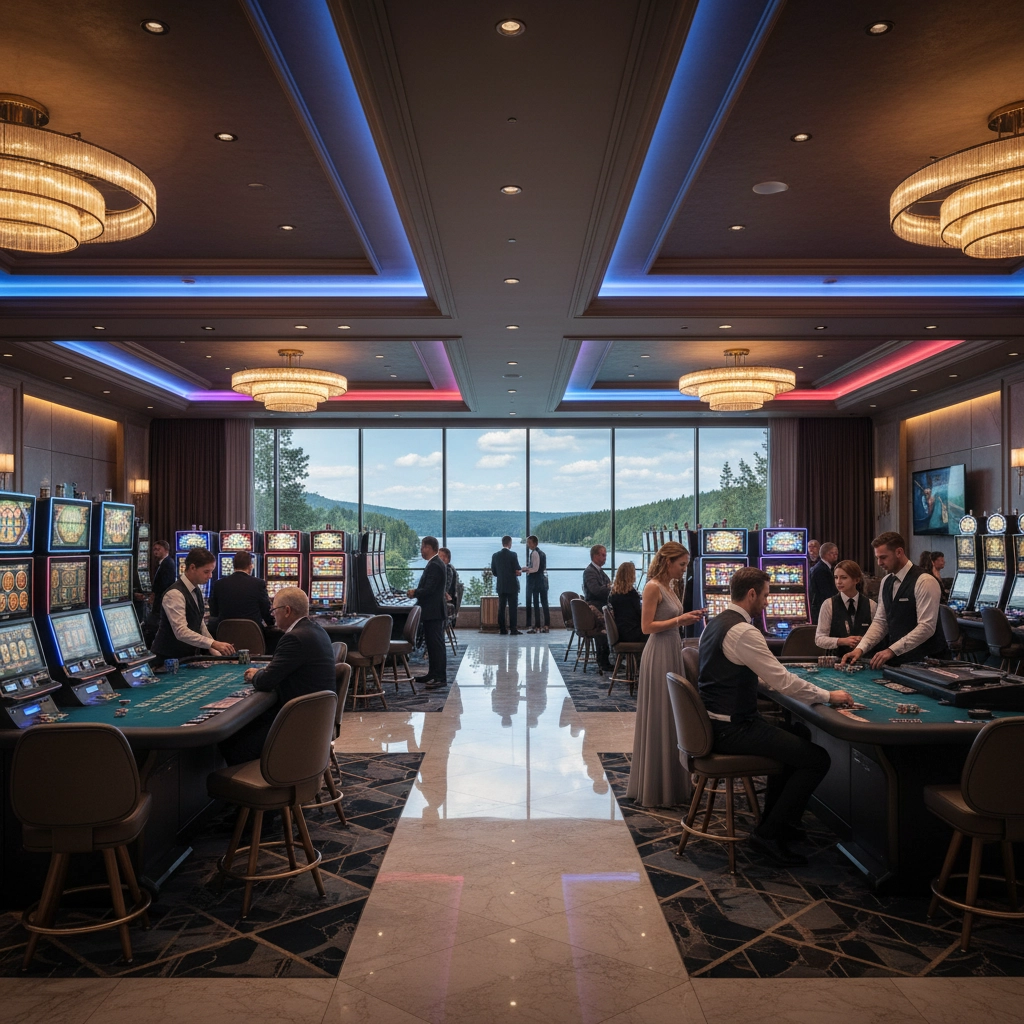
The Osage Nation's proposal is substantial. We're talking about a 237,160-square-foot complex featuring a 40,000-square-foot gaming floor with up to 750 electronic gaming machines, a 150-room hotel tower, multiple restaurants, event spaces, fitness center, and pool. The location at the intersection of Bagnell Dam Boulevard and Osage Beach Parkway puts it right in the heart of tourist traffic.
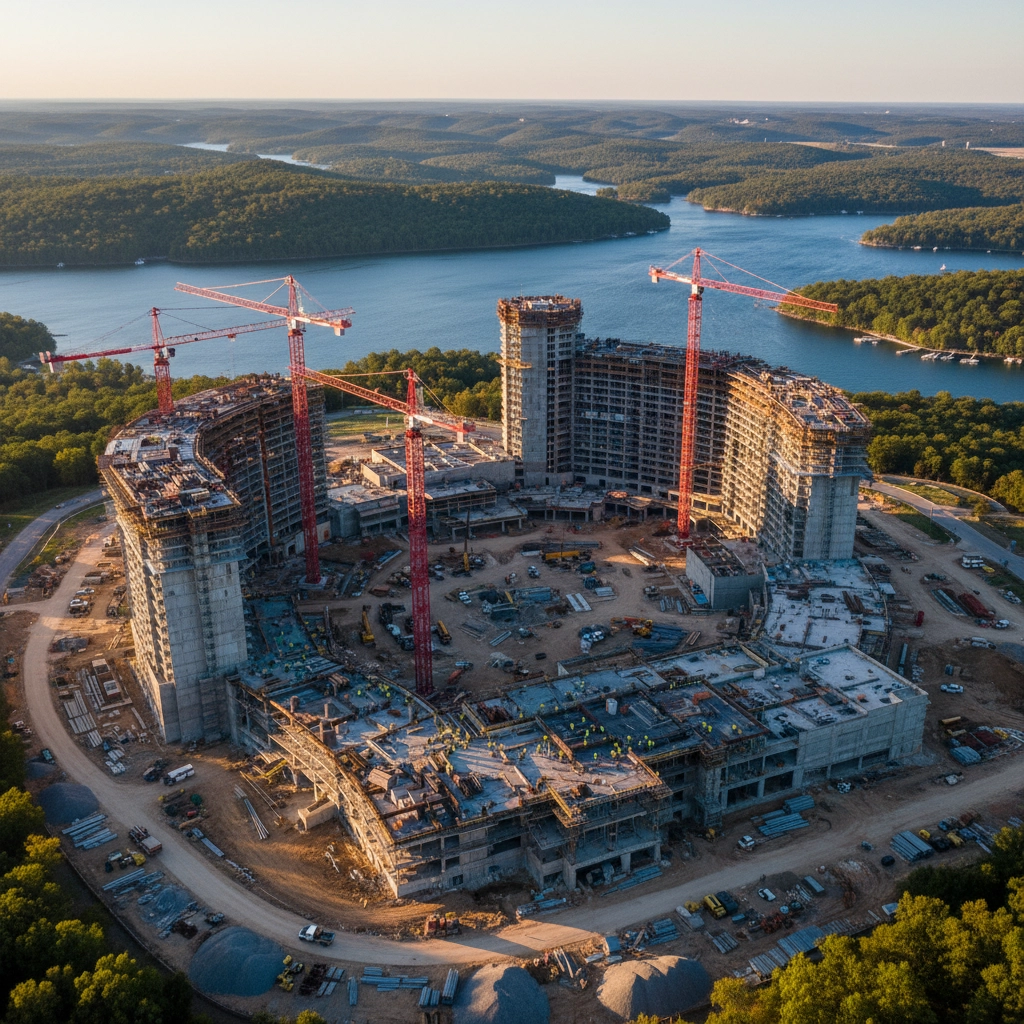
Chief Geoffrey Standing Bear emphasizes that the project would "provide positive economic benefits to the Osage people, as well as those who reside on Osage ancestral lands." CEO Byron Bighorse projects the development will bring "new jobs, tourism and revenue for the Lake of the Ozarks community."
Unlike many casino projects that rely on state approval and face regulatory hurdles, this operates on tribal land. That means federal oversight only: potentially smoother sailing and fewer political complications.
The Osage Nation isn't flying blind here either. They currently operate seven successful casinos in Oklahoma, so they understand the gaming business. That experience could translate into better management and longer-term viability than some of the fly-by-night operations that have burned other Missouri communities.
Local supporters point to immediate construction jobs, permanent positions in hospitality and gaming, increased tax revenue, and the multiplier effect of bringing more visitors to the area. For a region that's seen tourism fluctuate with economic cycles, a major entertainment destination could provide some stability.
The Reality Check: Missouri's Casino Casualties
Before anyone gets too excited, let's look at what happened to other Missouri towns that thought casinos would solve their economic problems.
Cape Girardeau's casino experience has been rocky at best. The initial promises of economic revitalization haven't materialized as expected. Local businesses report that casino visitors tend to stay on-property rather than exploring downtown shops and restaurants. The anticipated spillover effect largely failed to happen.
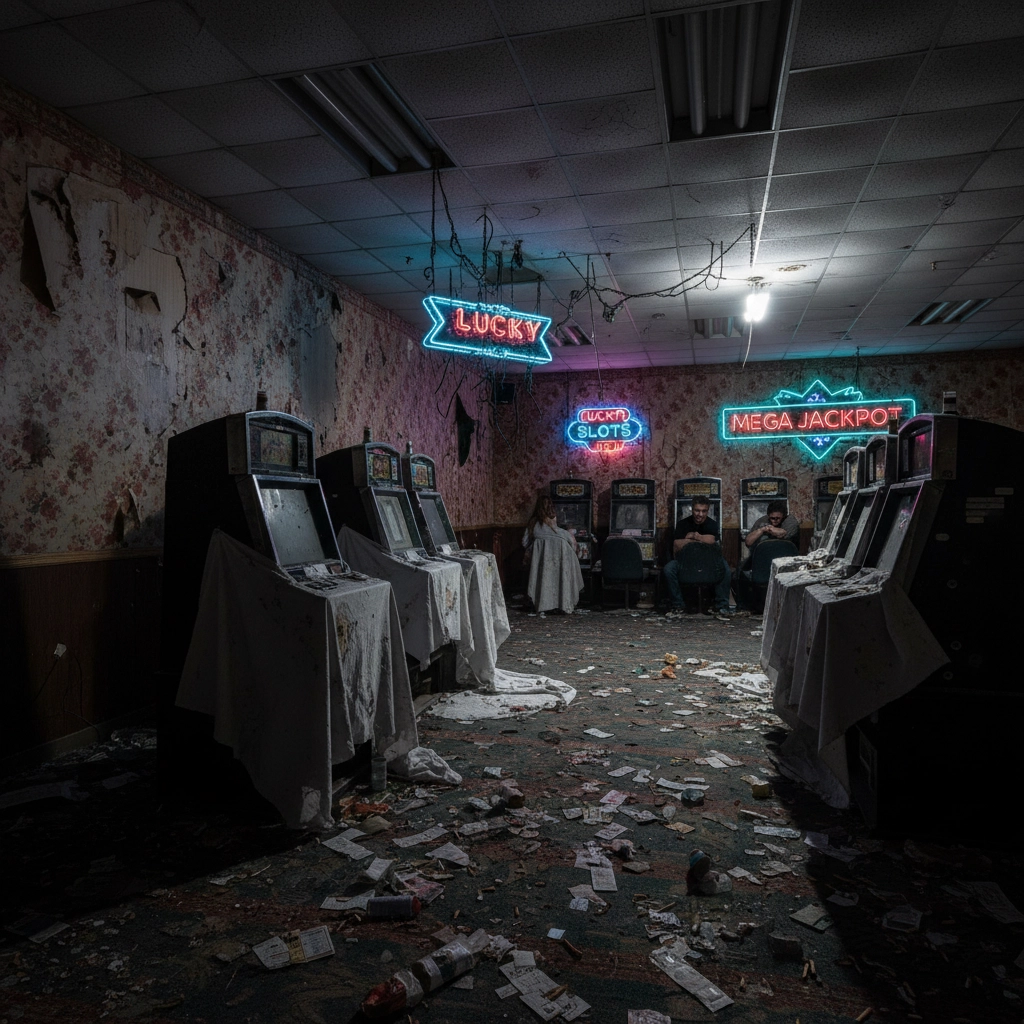
Boonville's story is even more concerning. The Isle of Capri Casino Hotel there has become notorious for poor conditions and disappointing visitor experiences. Online reviews consistently mention unsanitary conditions, poor service, and an overall sense that the facility isn't well-maintained. Instead of becoming a draw for tourism, it's become something locals are embarrassed about.
More troubling is the broader trend: Missouri casino revenues have been declining in recent years. That puts pressure on operators to cut costs, which often means reduced maintenance, fewer staff, and a deteriorating customer experience. When casinos start failing, communities are left with large, specialized buildings that are nearly impossible to repurpose.
The "fast cash" that attracted these communities in the first place proved to be anything but lasting. Construction jobs disappeared after completion, and permanent positions often paid less than promised while providing fewer benefits than traditional hospitality jobs.
What Makes Lake Ozark Different: And What Doesn't
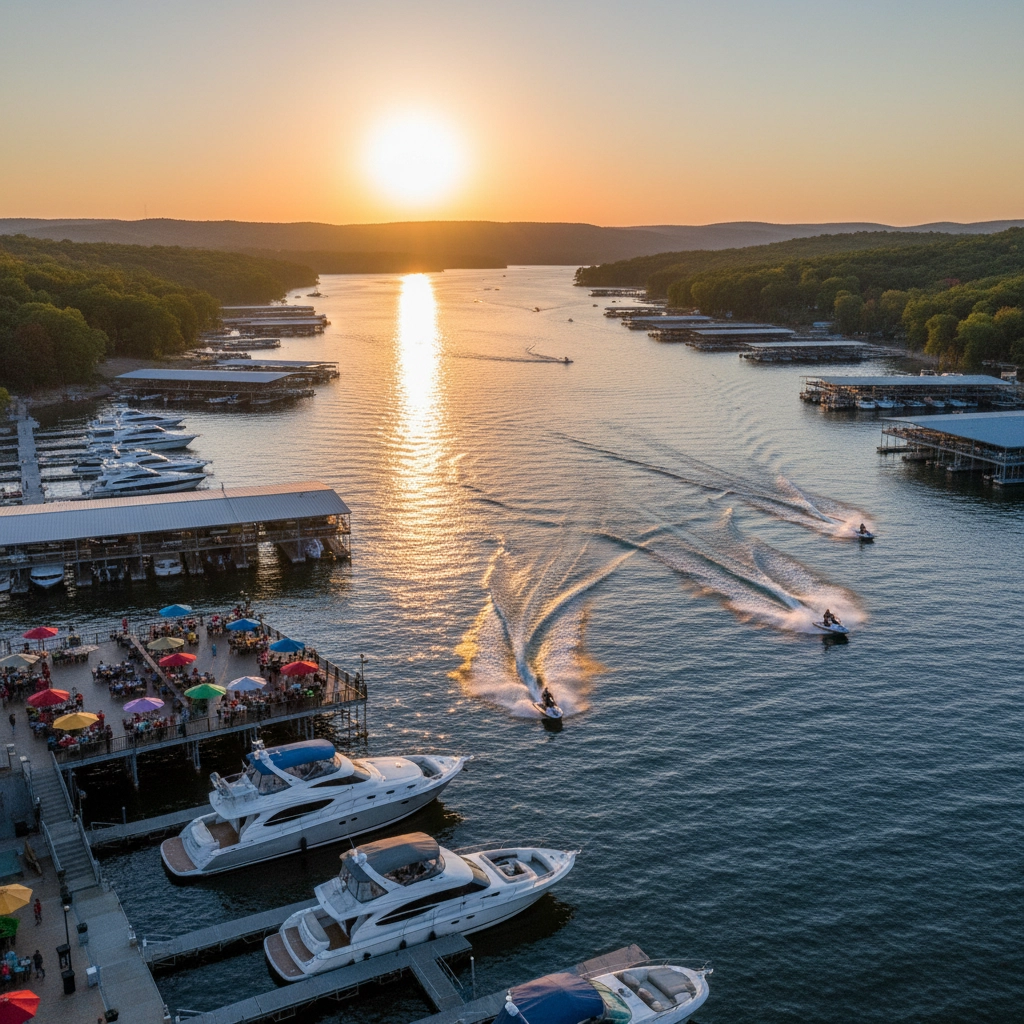
There are legitimate reasons to think the Osage Casino could avoid some of these pitfalls. The Lake of the Ozarks already has an established tourism infrastructure and brand recognition. Unlike struggling rural communities that saw casinos as their only option, this area has existing economic activity that a well-run casino could complement rather than cannibalize.
The Osage Nation's track record in Oklahoma suggests they know how to operate profitable casinos long-term. Their focus on Class II gaming (bingo-style slots rather than traditional Vegas-style gambling) might also create a different dynamic that's less prone to the boom-bust cycle of traditional casinos.
However, many of the fundamental challenges remain the same. Casino visitors often stick to the gaming floor and hotel rather than exploring local businesses. The jobs created tend to be service positions that don't build wealth in the community. And if the facility struggles financially down the road, Lake Ozark could be stuck with a massive abandoned building that's impossible to repurpose.
The bigger question is whether this represents sustainable economic development or just another form of extractive industry that benefits outside investors while leaving the community with long-term costs.
The Community Split Tells a Story
Local reaction has been notably divided, which often signals that people have legitimate concerns on both sides. Supporters emphasize the immediate economic benefits and argue that the area needs something to diversify beyond seasonal tourism. They point out that people from the region are already driving to casinos in other states, so why not keep that money local?
Critics worry about the social costs of gambling, the potential for crime increases, and the risk of becoming economically dependent on an industry that's proven volatile. They've watched other communities get burned by similar promises and wonder if Lake Ozark is being sold the same bill of goods.
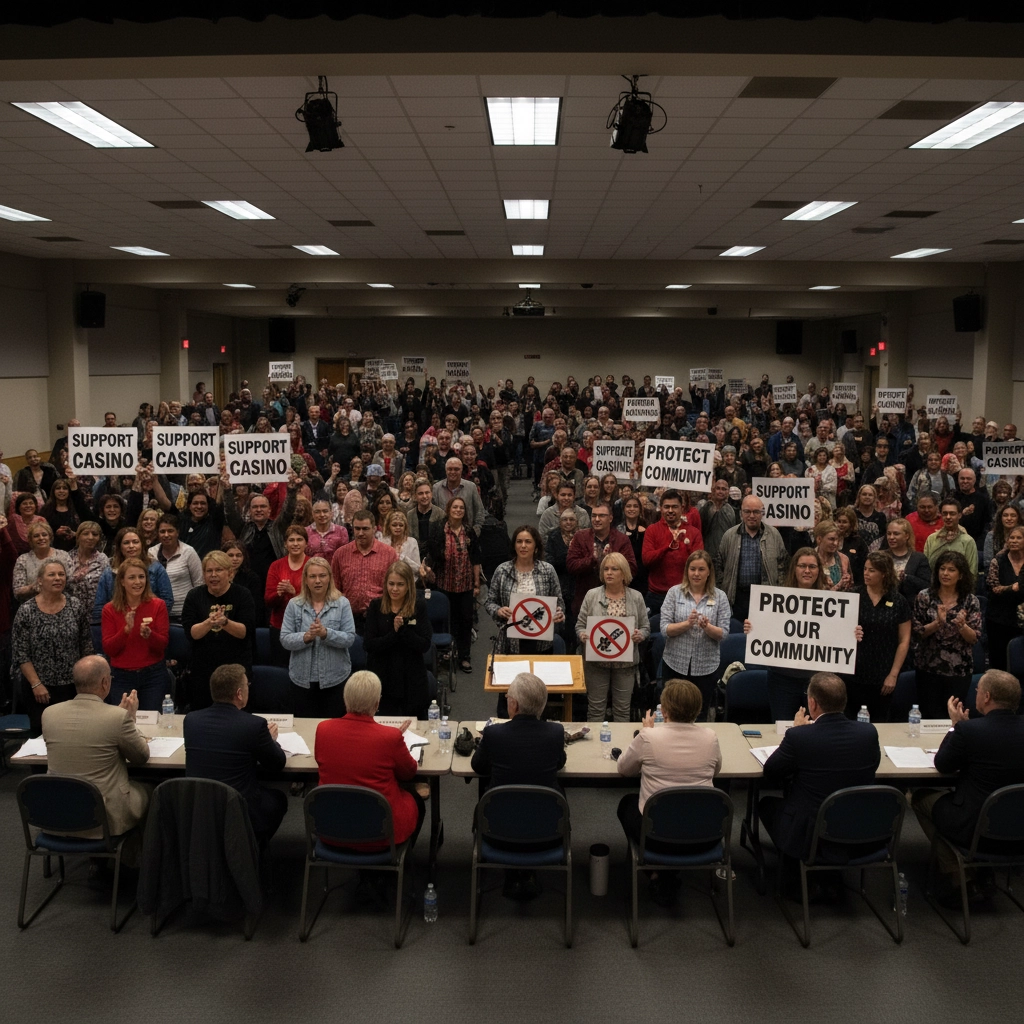
Business owners are particularly split. Some see potential customers and increased foot traffic. Others worry about competing for workers in a tight labor market or dealing with the social problems that sometimes come with gambling operations.
This division often indicates that the decision isn't as clear-cut as either side claims. When communities are genuinely united behind casino projects, it usually means the economic benefits are obvious and the risks minimal. When they're divided, it suggests the calculation is much more complex.
The Bottom Line: Proceed with Eyes Wide Open
The Osage Casino proposal isn't inherently good or bad: it's a calculated risk that could go either way depending on execution and market conditions. The key is being honest about both the potential benefits and the real risks based on what's happened elsewhere.
If Lake Ozark moves forward, the community needs to push for concrete commitments about local hiring, vendor preferences for local businesses, and revenue sharing that actually benefits residents. They should also plan for what happens if the casino struggles financially in 10-15 years.
The Osage Nation's experience and the area's existing tourism base create better conditions for success than existed in places like Boonville or Cape Girardeau. But that doesn't guarantee success, and it certainly doesn't eliminate the risks that have burned other Missouri communities.
Smart business owners and residents should support the project only if they're convinced it will genuinely complement the existing economy rather than replace it with something more fragile. The stakes are too high to base decisions on wishful thinking rather than hard evidence about what casinos actually deliver to the communities that host them.
The choice ultimately comes down to whether Lake Ozark believes it can manage the risks better than other Missouri communities have: and whether the potential rewards justify taking that gamble in the first place.
Written by Marcus Chen, Senior Business Analyst, Amerishop Services


Lake Ozark Mo needs Career positions and a lot less part time or limited income position regardless if it is unpopular to tourists or not