


The Controversial Push for a Casino at Lake of the Ozarks

The Lake of the Ozarks has long been known as one of Missouri's most recognizable landmarks, a scenic getaway that combines beauty, recreation, and the nostalgia of an era when the Bagnell Dam was built to keep families from starving during the Great Depression. While the dam remains a symbol of resilience and human ingenuity, the region surrounding it has struggled to find sustainable economic footing ever since.
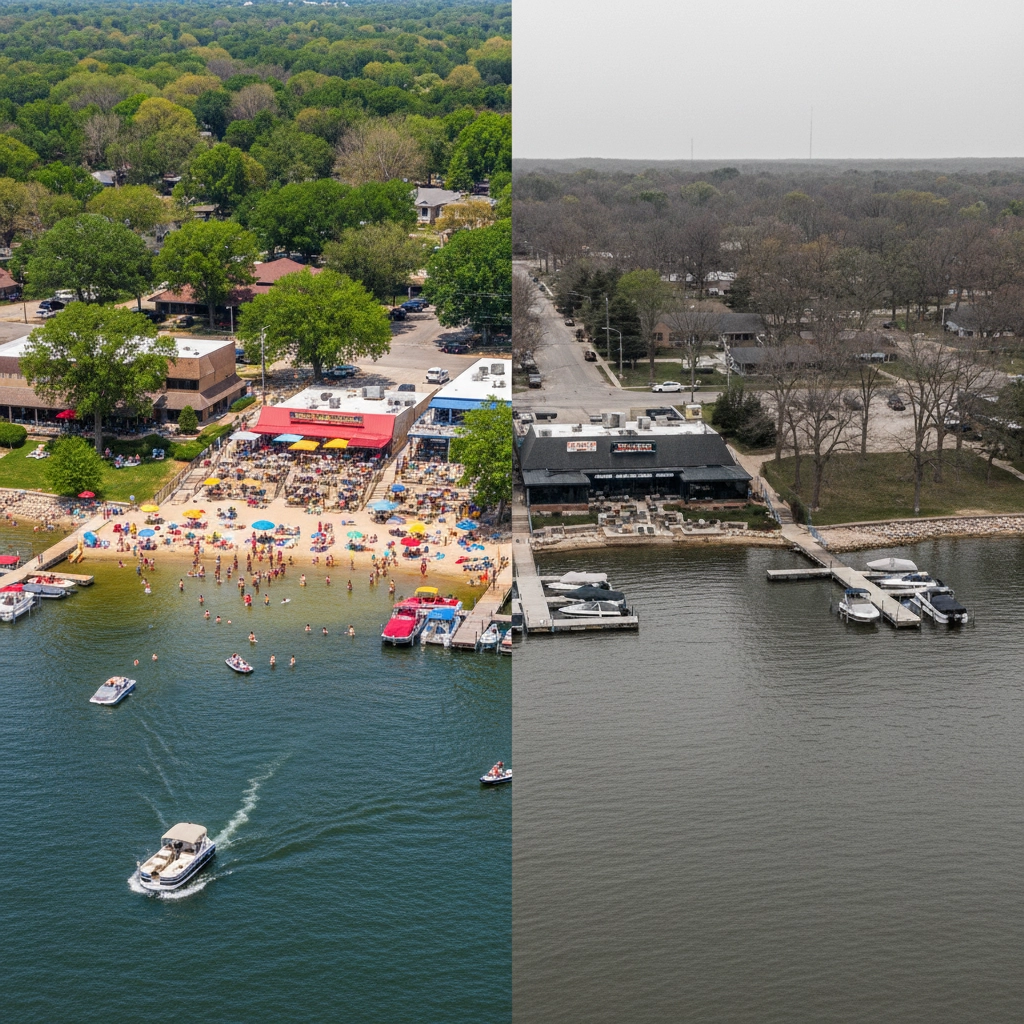
Every decade or so, the Lake area seems to catch a spark of growth, new resorts open, real estate surges, tourism peaks, and then the momentum fades. Businesses shutter, young professionals move away, and the same cycle repeats. The pattern has become so predictable that locals have come to expect economic "spurts" followed by quiet decline.
The Employment Challenge
At the core of the issue lies a lack of career-wage jobs. Seasonal positions in hospitality, tourism, and food service dominate the employment landscape. These jobs, while valuable for short-term income, do not provide the stability or benefits necessary to support long-term residents or attract a younger, skilled workforce.
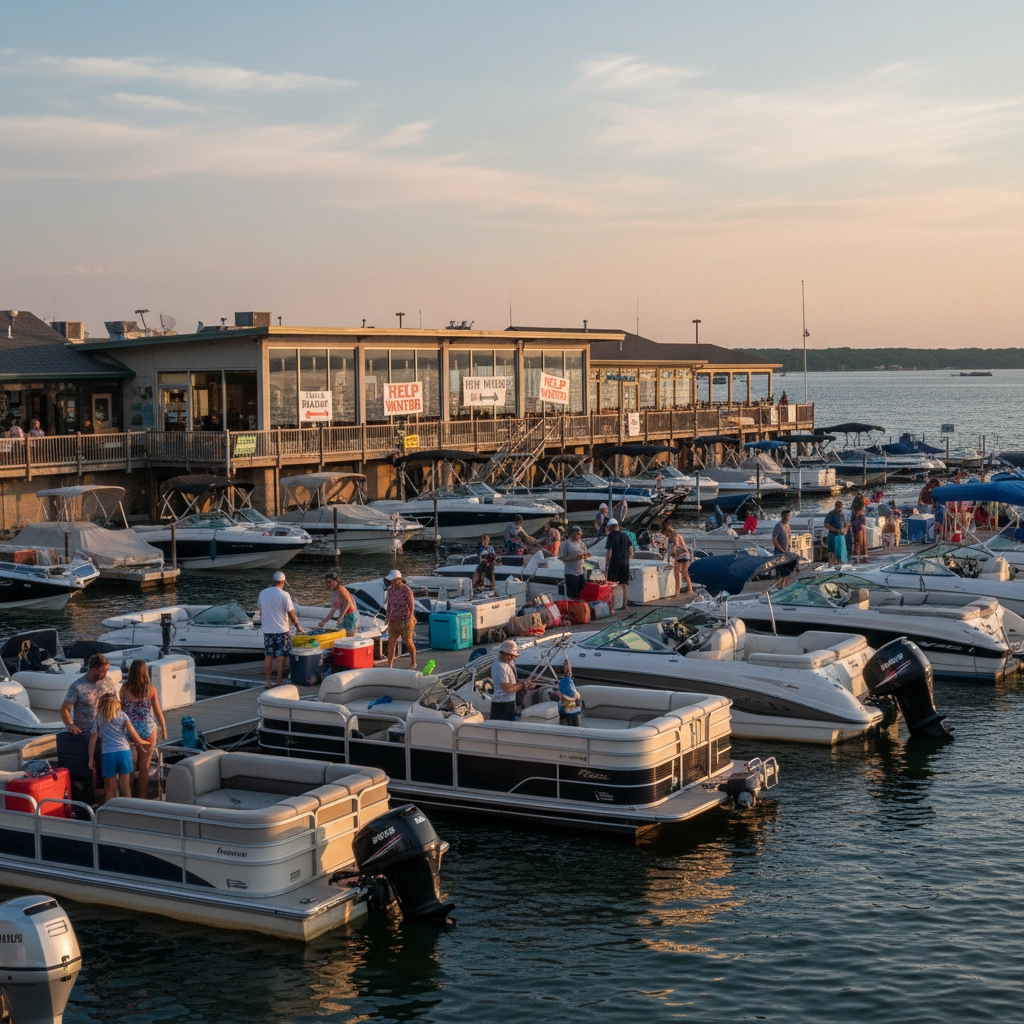
Walk through any Lake area business district during the off-season, and you'll see the reality: "Help Wanted" signs everywhere during summer months, followed by mass layoffs when the tourists head home. It's a cycle that's been repeating for generations, and it's exactly what keeps families from putting down real roots in the community.
The Casino Debate Emerges
The latest debate surrounding the Lake involves the potential arrival of a casino, a development that some see as a chance for revitalization and others as a moral and social setback. Proponents argue that it could finally bring in year-round employment, infrastructure upgrades, and tax revenue to a struggling economy. Opponents warn of increased crime, addiction, and an overreliance on tourism-driven dollars that do little to diversify the region's income base.
The casino conversation isn't new to Missouri. We've seen similar debates in other parts of the state, with mixed results. Some communities have benefited from the steady employment and tax revenue, while others have struggled with the social costs that can come with gambling establishments.
Two Competing Visions
What makes the Lake of the Ozarks situation particularly interesting is that there have been two distinct approaches to bringing casino gaming to the area. The first involved a state-licensed facility that would have required voter approval through a constitutional amendment. That measure, known as Amendment 5, was ultimately rejected by Missouri voters in November 2024.
The second approach involves the Osage Nation, which has been pursuing a tribally-operated casino that operates under federal authority rather than state regulations. This path doesn't require the same voter approval process, as it falls under the Indian Gaming Regulatory Act and tribal sovereignty.
The Deeper Identity Crisis
At its heart, the casino debate reflects a deeper identity crisis for the Lake: Should it continue to rely on entertainment and "heads in beds," or evolve into a sustainable economy built on technology, trade, and professional careers?
This is where the conversation gets really interesting. The "heads in beds" mentality has dominated Lake area economic development for decades. Every proposal, every initiative, every marketing campaign seems to focus on getting more tourists to visit and spend money for a few days before heading home.
But here's the thing, that model is fundamentally flawed for long-term economic health. When your entire economy depends on people visiting temporarily, you're always at the mercy of factors beyond your control: gas prices, weather patterns, national economic conditions, changing vacation preferences.
The Real Solution
Until city and county leadership abandon the "heads in beds" concept, prioritizing tourism and weekend visitors over local workforce development, the Lake will continue to stagnate. Tourism alone cannot carry an entire region indefinitely. The future of the Lake depends on diversifying industries, investing in local entrepreneurship, and creating incentives for businesses that offer long-term, full-time positions.
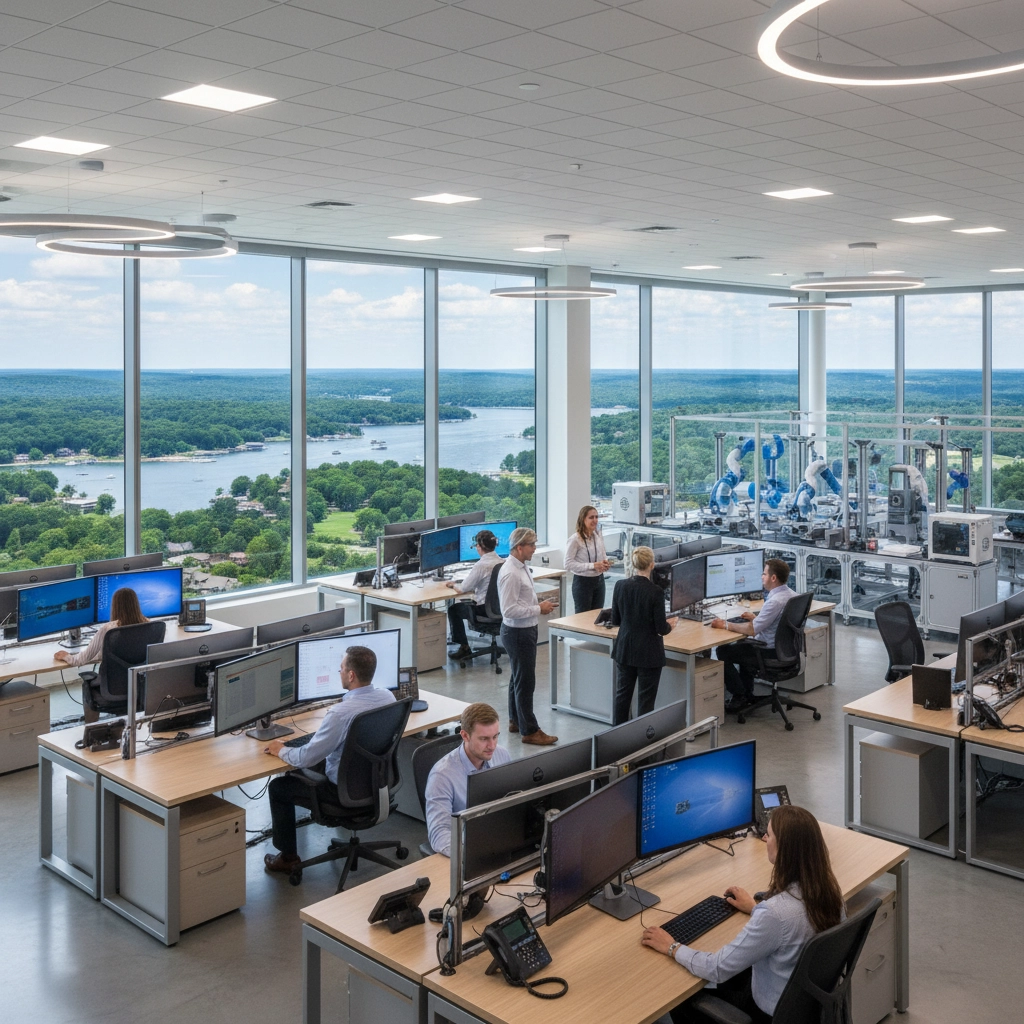
Think about it: What if instead of another resort or entertainment complex, the Lake area attracted a technology company? Or a manufacturing facility? Or a regional distribution center? These businesses create year-round jobs, attract families who spend money at local businesses twelve months a year, and provide the tax base that supports good schools and infrastructure.
Learning from Other Communities
Other communities have successfully transitioned away from tourism-dependent economies. They've done it by investing in education, creating business incubation programs, offering tax incentives for companies that provide career-wage jobs, and building the infrastructure that modern businesses need to succeed.
The Lake has natural advantages that many communities would envy: beautiful scenery, relatively low cost of living, and proximity to major metropolitan areas. But these advantages are wasted if local leadership continues to focus exclusively on attracting weekend visitors instead of permanent residents and sustainable businesses.
The Casino as a Band-Aid
Whether or not a casino ultimately comes to the Lake of the Ozarks, it won't solve the fundamental economic challenges facing the region. At best, it might provide some temporary relief, more jobs, more tax revenue, more activity during the slower months. But it's still fundamentally a tourism-based solution to a tourism-based problem.
Real economic development requires vision, patience, and the willingness to invest in the future rather than chase quick fixes. It means saying no to projects that perpetuate the boom-bust cycle and yes to initiatives that build lasting prosperity.
A Call for Leadership
Lake of the Ozarks deserves better than seasonal surges and temporary fixes. It deserves a future where families can thrive, not just survive on tourism cycles and summer crowds. But that future won't happen automatically: it requires leadership that's willing to think beyond the next tourist season and start building an economy that works for the people who actually live there.
The casino debate is just the latest chapter in a much longer story about what kind of community the Lake area wants to become. The real question isn't whether gambling is right or wrong for the region: it's whether local leaders are ready to start making the hard choices necessary to build a sustainable economic future.
This post was written by Amerishop Services
Sponsored by Dependable Brokers Insurance Agency Supporting Missouri businesses through coverage, consistency, and community growth.


Comments