


Supreme Court Week: Tariffs Case Looms; Today's Docket Starts at 10 a.m.

By Sarah Mitchell, Amerishop Services Editorial Team
What's Happening
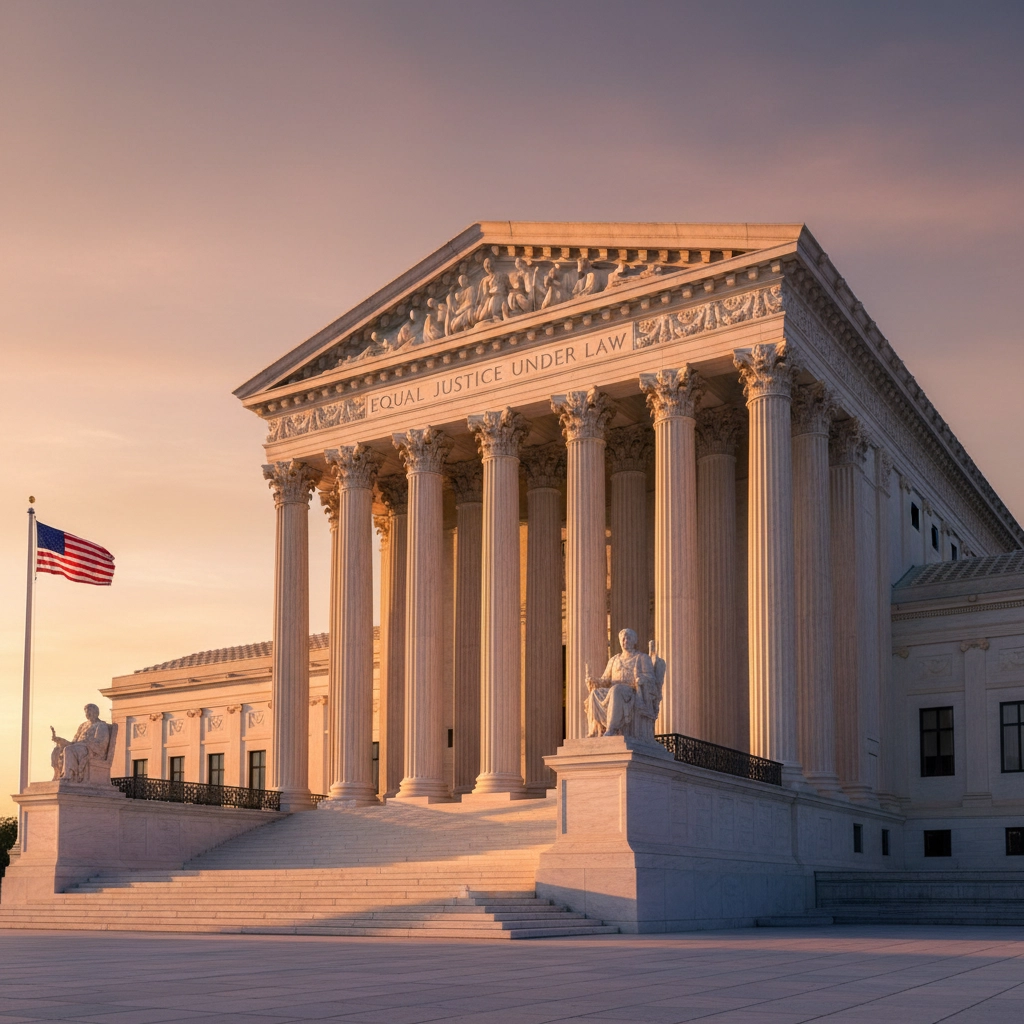
The U.S. Supreme Court convenes today (Monday, November 3) at 10 a.m. ET for public sessions, setting the stage for one of the most consequential weeks in recent trade law history. While today's docket focuses on routine matters, all eyes are on Wednesday's scheduled arguments in a landmark tariffs case that could reshape how America conducts business with the world.
Two federal cases: Trump v. V.O.S. Selections and Learning Resources, Inc. v. Trump: will test the outer limits of presidential authority over global trade duties. Business groups representing manufacturers, importers, and retailers have filed extensive briefs arguing that sweeping tariff powers threaten economic stability and constitutional separation of powers.
The cases stem from President Trump's February 2025 executive orders imposing what the administration calls "trafficking tariffs" on Canada, Mexico, and China, plus "reciprocal tariffs" establishing a baseline 10% duty on virtually all other countries. Higher tariffs ranging from 11% to 50% target specific nations based on trade deficit calculations.
Why It Matters
These aren't abstract legal questions: they directly impact your business costs and consumer prices across America. When presidential tariff authority expands or contracts, the ripple effects hit supply chains, manufacturing decisions, and household budgets within months.
The administration invoked the International Emergency Economic Powers Act (IEEPA), the National Emergencies Act, and Section 604 of the Trade Act of 1974 to justify the tariffs. Trump characterized large trade deficits as an "unusual and extraordinary threat to the national security and economy of the United States," providing the emergency framework needed for unilateral action.
If the Court upholds broad presidential authority, companies nationwide must plan for long-term tariff exposure. Import-dependent businesses face sustained cost pressures, while domestic manufacturers could benefit from reduced foreign competition. Conversely, if the Court narrows that authority, Congress and federal agencies would regain greater oversight over trade policy, potentially creating more predictable: but slower-moving: trade rules.
.
Dependable Brokers, these decisions matter because they affect our clients' operating costs and strategic planning horizons. When supply chain disruptions hit, businesses need reliable partners who understand both immediate challenges and long-term market shifts.
The Legal Framework Under Review
The Supreme Court will examine several constitutional and statutory questions that go far beyond tariffs themselves. At stake is the balance between executive emergency powers and legislative trade authority: a tension that has simmered for decades but now faces direct judicial review.
IEEPA and Emergency Powers: The International Emergency Economic Powers Act allows presidents to regulate international commerce during declared national emergencies. Critics argue that trade deficits, while economically significant, don't constitute the type of acute security threats IEEPA was designed to address.
National Emergencies Act: This 1976 law requires specific procedures for declaring and maintaining national emergencies. Legal challengers claim the tariff-related emergency declarations lack sufficient factual basis and proper congressional notification.
Trade Act Section 604: This provision grants presidents authority to impose duties when foreign countries maintain "unjustifiable" trade practices. However, the scope of "unjustifiable" remains hotly disputed, particularly when applied to broad categories of imports rather than specific unfair practices.
The business community argues these laws were never intended to support economy-wide tariff programs implemented without meaningful congressional oversight or public comment periods.
Economic Stakes and Business Impact
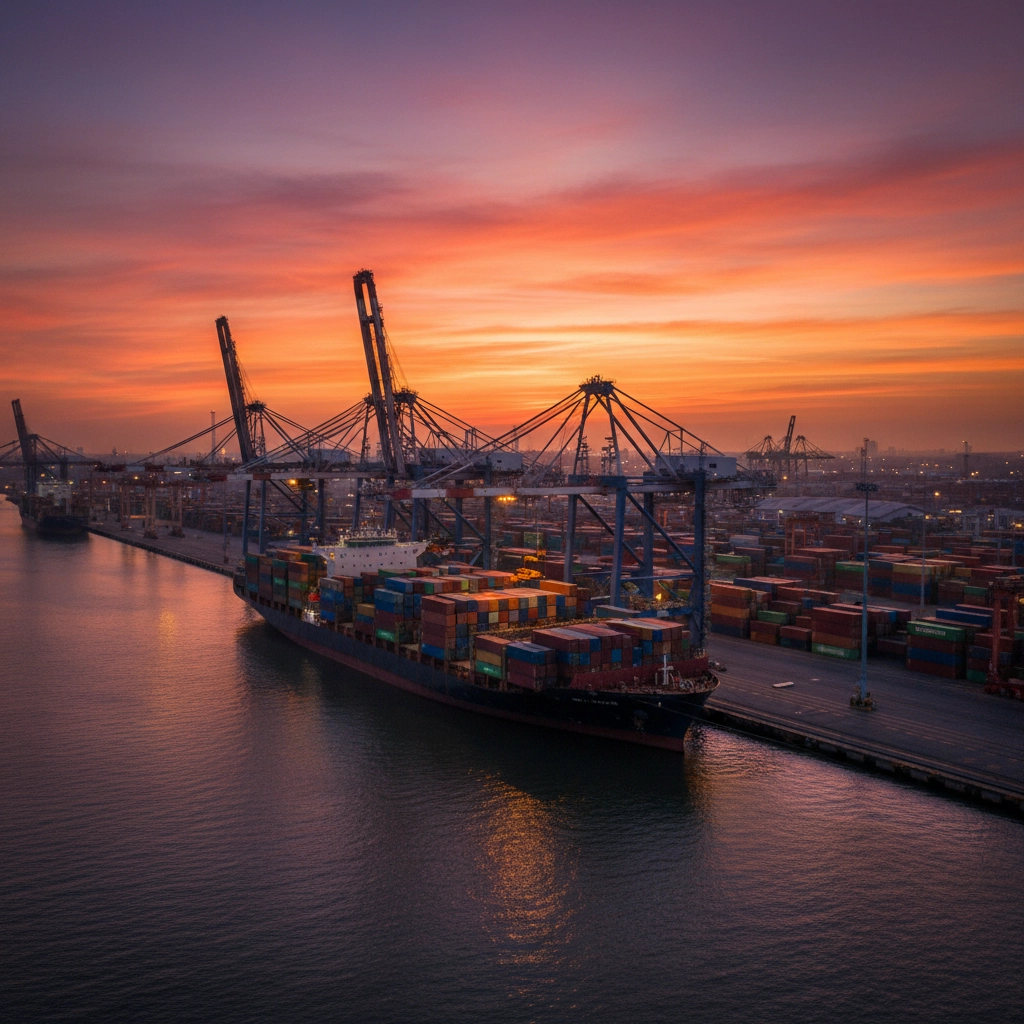
Real numbers underscore why this case commands attention from boardrooms to Main Street businesses. The Congressional Budget Office estimates that sustained 10% baseline tariffs could reduce GDP growth by 0.2-0.4 percentage points annually, while sector-specific impacts vary dramatically.
Import-heavy industries face immediate margin compression. Electronics retailers, automotive parts distributors, and textile manufacturers report that even modest tariff increases translate to significant cost pressures when applied across thousands of product categories.
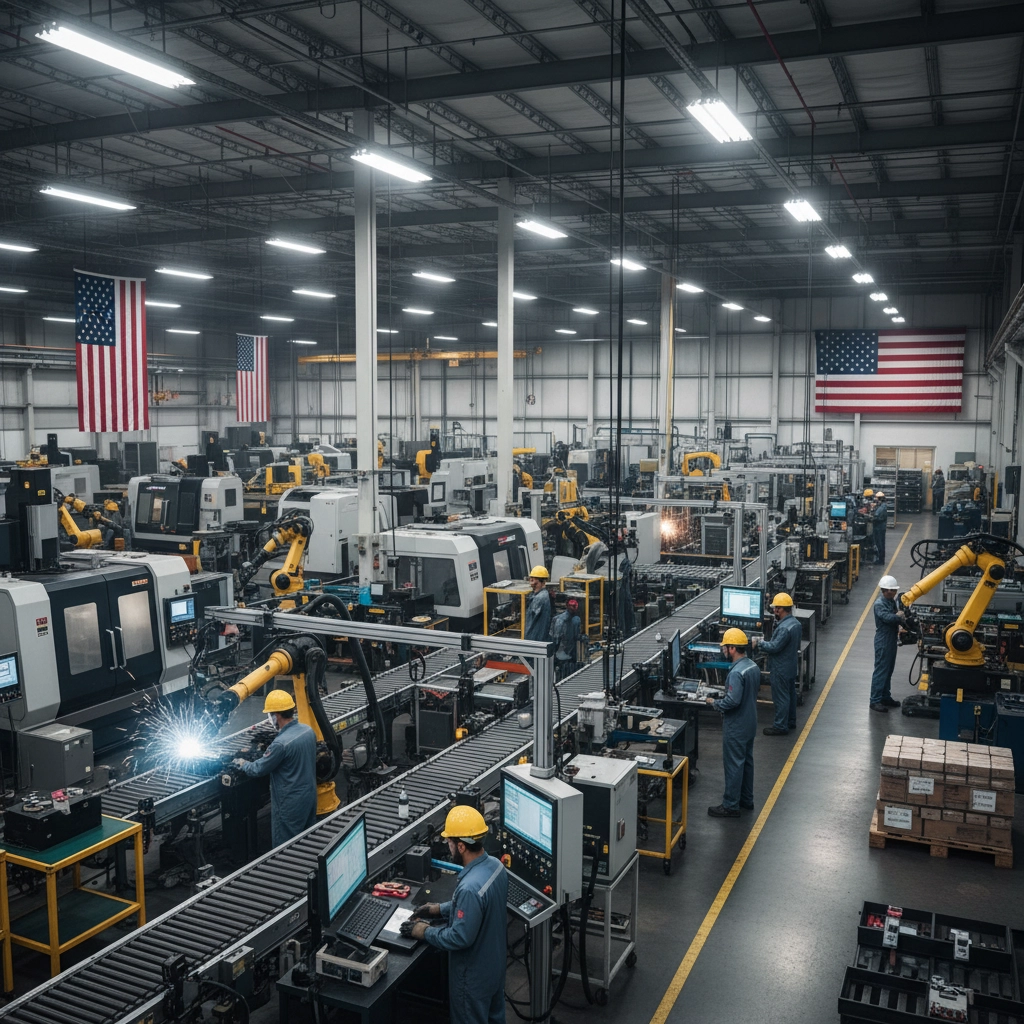
Meanwhile, domestic producers in steel, aluminum, and certain manufacturing segments see potential benefits from reduced foreign competition. The key question is whether these gains offset broader economic costs from higher input prices and reduced consumer spending power.
Small and medium businesses: the backbone of many local economies: often lack the resources to quickly restructure supply chains or absorb sustained cost increases. For these companies, regulatory predictability matters more than specific tariff levels, making the Supreme Court's ruling on presidential authority especially important.
What to Watch Next
Wednesday's Oral Arguments: Supreme Court sessions beginning at 10 a.m. ET will feature extensive questioning from justices across the ideological spectrum. Pay attention to questions about emergency authority scope, congressional oversight requirements, and economic harm thresholds.
Same-Day Audio Release: The Court typically releases argument audio on the same day, allowing real-time analysis of judicial concerns and potential voting patterns. Business analysts will parse every question for hints about final outcomes.
Implementation Timeline: Even if the Court rules quickly, implementation could take months. Companies should prepare for multiple scenarios rather than betting on specific outcomes.
Congressional Response: Regardless of the Court's decision, expect legislative proposals aimed at clarifying presidential trade authority. Both parties have shown interest in reasserting congressional control over trade policy, though they disagree on specific mechanisms.

Industry Perspectives and Stakeholder Positions
The business community remains deeply divided on optimal trade policy approaches, but most agree on the need for clearer legal frameworks and more predictable implementation processes.
Manufacturers: Companies with significant domestic production capacity generally support tariff protection from what they view as unfair foreign competition. However, even these firms worry about retaliatory tariffs on their export markets and higher costs for imported components.
Retailers and Importers: Organizations representing retail and import businesses argue that broad tariffs function as regressive taxes on consumers, particularly affecting lower-income households that spend larger portions of their budgets on goods rather than services.
Service Providers: Companies in advertising, consulting, and business services: like Dependable Brokers: focus on helping clients navigate regulatory uncertainty rather than advocating specific policy outcomes. Our role is providing dependable guidance regardless of changing trade rules.
Historical Context and Precedent
The current Supreme Court case fits within a broader historical pattern of tensions between presidential emergency powers and congressional trade authority. Previous major cases established important precedents that will likely influence this week's arguments.
The 1952 Youngstown Sheet & Tube Co. v. Sawyer decision created a framework for analyzing presidential powers during claimed emergencies, distinguishing between actions with congressional authorization, actions in congressional silence, and actions against congressional will.
More recently, trade-related Supreme Court cases have generally favored congressional authority over unilateral presidential action, but none have addressed the specific combination of emergency powers and trade statutes at issue this week.
Preparing for Multiple Outcomes
Smart businesses prepare for various scenarios rather than betting on specific Supreme Court outcomes. Whether the Court expands, maintains, or restricts presidential tariff authority, certain principles remain constant.
Supply Chain Diversification: Companies with geographically concentrated supply sources face greater risks from sudden policy changes. Successful businesses maintain multiple supplier relationships across different countries and regions.
Cost Management: Effective financial planning includes scenario modeling for different tariff levels and implementation timelines. This preparation helps companies respond quickly to policy changes without compromising service quality.
Client Communication: Service providers must keep clients informed about potential regulatory changes while avoiding speculation about specific outcomes. Dependable brokers focus on facts and preparation rather than political predictions.
The Path Forward
This week's Supreme Court arguments represent more than abstract legal questions: they will shape America's economic relationships with the world for years to come. Whether you run a small local business or manage complex supply chains, the Court's decision will affect your operations and strategic planning.
At Dependable Brokers, we understand that regulatory uncertainty creates challenges for businesses across all sectors. Our approach remains consistent: provide reliable information, help clients prepare for multiple scenarios, and maintain the steady partnership relationships that matter most during uncertain times.
What to watch next: Wednesday's tariffs arguments beginning at 10 a.m. ET, same-day audio releases, and any follow-up court action if initial deadlines slip. The business community will be analyzing every judicial question for clues about the final decision.
Stay informed, stay prepared, and remember that successful businesses adapt to changing rules rather than hoping for specific outcomes. That's the dependable approach that serves our clients best, regardless of what the Supreme Court decides this week.
Is your business ready for the unexpected?
Dependable Brokers specializes in comprehensive Missouri Business Insurance for all industries. Our expert team delivers protection that keeps you running—day or night.
You’re never alone when you’re insured with us.





Comments